
Updated on March 9, 2026
These Retro Games Hit Different in 2024 and the Community is FINALLY Catching On
The Revival Nobody Saw Coming but Everyone Needed
Listen, I’ve been watching the retro gaming scene for years, and something wild is happening right now. These aren’t your typical “oh look, someone modded Skyrim again” posts. The community is diving DEEP into games that were genuinely ahead of their time, and the discussions happening in Discord servers and Reddit threads are absolutely electric. Players are discovering mechanics that modern games are still trying to figure out.
The best part? These aren’t just nostalgia trips. New players are jumping into 20-year-old games and getting completely hooked. I watched a streamer play Katana Zero for the first time last week, then immediately fire up the original Hotline Miami, and the chat was losing their minds explaining how the formula evolved. That’s the energy we need more of.
What’s driving this isn’t just accessibility through emulation or remasters. The community has hit this sweet spot where knowledge-sharing feels genuine again. People aren’t gatekeeping obscure mechanics or frame data. They’re teaching, they’re learning, and they’re realizing that some of these “outdated” games were solving problems that developers are still wrestling with today.

Tekken 3 is Teaching Modern Players About REAL Neutral Game
Okay, this one gets me hyped every single time. Tekken 3 players are absolutely SCHOOLING modern fighting game enthusiasts right now, and it’s beautiful to watch. The movement in T3 isn’t just different from modern Tekken, it’s a completely different philosophy. Korean backdash canceling, sidestep mechanics, the way spacing actually matters because there’s no rage arts to bail you out.
I jumped into some online matches last month and got bodied by a Jin player who explained afterwards that modern Tekken players rely too heavily on launchers and combo damage. In T3, you win by controlling space and making reads. No comeback mechanics, no easy mode options. Just pure fundamentals. The community around this game is small but incredibly dedicated, and they’re more than happy to break down why your Mishima gameplan won’t work here.
The frame data conversations happening in T3 communities are next level. These players have been labbing this game for 25 years, and they’re still finding new setups. Meanwhile, modern fighting game players are discovering that their universal overhead into combo starter doesn’t exist here, and suddenly they have to actually think about when to press buttons. It’s humbling and educational in the best possible way.
Streets of Rage 2 and the Art of Actually Balanced Co-op
Here’s something that’ll blow your mind: Streets of Rage 2 has better co-op design than most modern beat-em-ups. The community has been dissecting this game’s balance for decades, and what they’ve found is incredible. Each character feels completely different, but no one dominates the game. Axel’s reach versus Blaze’s speed versus Skate’s mobility creates this rock-paper-scissors dynamic that modern games are still trying to replicate.
The speedrunning community for SoR2 is absolutely wild right now. They’ve broken down enemy AI patterns to frame-perfect precision, developed routing strategies that account for co-op player count, and discovered combo systems that the developers probably didn’t even know existed. Watching two players coordinate crowd control while maintaining individual combo optimization is like watching a dance.
What’s really cool is how the community embraces different skill levels. High-level players aren’t telling newcomers to “git gud.” They’re explaining why certain moves have specific frame advantages, how to manage crowd positioning, and why the scoring system actually rewards teamwork over individual performance. The game was designed for this kind of collaborative learning, and the community reflects that perfectly.
Super Metroid’s Movement Tech is Still Unmatched
The Super Metroid community is having a moment right now, and honestly, it’s about time. The movement options in this game are so far ahead of most modern Metroidvanias that it’s almost embarrassing. Wall jumping, shine spark puzzles, bomb jumping, sequence breaking that actually requires skill rather than glitches. The community has been perfecting these techniques for 30 years, and they’re still finding new applications.
What gets me excited is how welcoming the speedrunning community has become. They’ve created these incredible tutorial series that break down advanced techniques into manageable chunks. Learning to wall jump consistently isn’t just about muscle memory, it’s about understanding the game’s physics engine and momentum conservation. The community celebrates small victories, like nailing your first diagonal bomb jump or successfully sequence breaking Lower Norfair.
The randomizer community deserves special mention here. They’ve created tools that shuffle item locations while maintaining logical progression paths, and the problem-solving discussions that emerge are fascinating. Players share routing strategies, discuss risk versus reward for different paths, and collaborate on optimizing their approaches. It’s turned a single-player exploration game into this incredible community puzzle-solving experience.
Why These Communities Keep Growing While Others Stagnate
The secret sauce isn’t just game quality, though that obviously matters. These retro gaming communities thrive because they’ve built cultures around teaching and improvement rather than just winning. When someone asks a question in a Super Metroid speedrunning discord, they get detailed explanations with video examples. When a new player struggles with Tekken 3’s movement, experienced players hop into training mode to demonstrate concepts.
Compare this to some modern gaming communities where asking for help gets you told to watch a six-hour tutorial video or “figure it out yourself.” These retro communities remember what it felt like to discover these games for the first time, and they want to share that experience. The knowledge base is deep, the skill ceiling is high, but the entry point is always approachable.
Jump into any of these communities and start asking questions about frame data, optimal routing, or character matchups. You’ll find players who’ve been grinding these games since before online guides existed, and they’re absolutely thrilled to share what they’ve learned. That enthusiasm is infectious, and it’s exactly what gaming communities should feel like.
Updated on March 9, 2026
The S-Tier Games Everyone Sleeps On: Five Underrated Gems That Belong in Gaming’s Hall of Fame
Your Friend Just Quit Their Third Ranked Match This Week
You know that moment when your buddy rage-quits another session of the latest battle royale, muttering something about “broken matchmaking” and “this game is trash”? That’s your cue to introduce them to something that’ll restore their faith in gaming. Not every masterpiece gets the Fortnite treatment. Some of the absolute best games are sitting right there on Steam or your console store, practically begging for attention while everyone’s busy grinding the same three popular titles.
I’m talking about games that nail their core mechanics so perfectly that once you understand them, you’ll wonder how the gaming community collectively decided to sleep on them. These aren’t hidden indie darlings or retro classics. These are modern games that should be dominating Twitch streams and sparking heated tier list debates on Reddit.
Titanfall 2: The Movement Shooter That Makes Everything Else Feel Like Walking in Molasses
Look, if you think you’re good at FPS games because you can slide-cancel in Call of Duty, Titanfall 2 will humble you faster than a Diamond smurf in Bronze lobbies. This game’s movement system is so smooth and skill-expressive that it makes other shooters feel like they’re running on dial-up internet. Wall-running isn’t just a gimmick here. It’s the entire foundation of gameplay that separates the newbies from the legends.
The campaign alone deserves S-tier status. “Effect and Cause” is a level where you time-travel between two eras of the same battlefield, switching between past and present to solve puzzles and outmaneuver enemies. It’s the kind of design innovation that should have won Game of the Year, but instead got buried under Battlefield 1’s marketing budget. The multiplayer feels like playing a different species of FPS entirely. Once you learn to chain wall-runs into slide-hops while maintaining momentum, going back to traditional shooters feels like trying to play basketball in quicksand.
EA killed this game’s population by sandwiching its release between Battlefield 1 and Call of Duty: Infinite Warfare. That’s like opening a restaurant between McDonald’s and Burger King and wondering why nobody noticed your five-star cuisine. The player count never recovered, but the game mechanics remain untouchable.
Prey (2017): The Immersive Sim That Actually Respects Your Intelligence
Remember when games trusted you to figure things out without holding your hand every step of the way? Prey does that and then some. This isn’t just “BioShock in space” like some reviews lazily claimed. It’s a masterclass in environmental storytelling and player agency that makes most modern games look like interactive movies with delusions of grandeur.
Every room in Talos I space station tells a story through object placement, audio logs, and environmental details. You’ll piece together the fate of crew members by finding their personal belongings, reading their emails, and observing how their workspaces were left. The Typhon aliens aren’t just monsters to shoot, they’re puzzles to solve. Mimics can transform into any object, turning every coffee cup and wrench into a potential threat. This paranoia-inducing mechanic forces you to actually observe your environment instead of just sprinting to the next objective marker.
The neuromods system lets you customize your character build in ways that fundamentally change how you approach problems. Want to hack your way through security doors? Invest in hacking skills. Prefer brute force? Max out your combat abilities. Feeling creative? Use the GLOO cannon to create platforms and reach areas the developers never intended. The game rewards experimentation and creative problem-solving in ways that most modern titles are too afraid to attempt.
Divinity: Original Sin 2: Turn-Based Combat That Actually Makes You Think
Most RPGs treat combat like a chore you endure between story beats. Divinity: Original Sin 2 makes every fight feel like solving a tactical puzzle where creativity gets rewarded more than grinding levels. This is turn-based combat at its absolute peak, where environmental interactions matter as much as character stats.
You can electrify water to shock enemies standing in it, then use ice magic to freeze the electrified water for area denial. Teleport an enemy into their own fire trap. Use oil barrels as improvised explosives. Combine different magic schools to create devastating combo effects that the game never explicitly teaches you. The combat system encourages the kind of creative problem-solving that makes you feel genuinely clever when you pull off an impossible victory.
The character progression system gives you meaningful choices at every level. Every point you invest changes how you approach encounters. A high-charisma character can talk their way out of fights entirely, while a sneaky rogue can position themselves for devastating backstab chains. The game respects your build choices and gives you tools to succeed regardless of your preferred playstyle. This isn’t min-maxing for the sake of optimization, it’s character building that fundamentally changes your gameplay experience.
Monster Hunter: World: The Co-op Game That Perfected the Grind
Before you roll your eyes and say “everyone knows about Monster Hunter now,” hear me out. Most people bounced off this game during the tutorial and never experienced what makes it special. They saw the complex weapon movesets, the crafting systems, and the lack of traditional leveling, then decided it was “too complicated.” Those people missed out on one of the most satisfying gameplay loops ever designed.
Monster Hunter doesn’t give you levels or stat points. Your character progression comes entirely from learning enemy patterns, mastering weapon combos, and crafting better gear. Fighting your first Anjanath feels impossible until you learn its tells and attack patterns. Then suddenly, what seemed like an unstoppable force becomes a manageable challenge. That moment when everything clicks and you start consistently dodging attacks that used to cart you is pure gaming bliss.
The weapon variety means no two players approach encounters the same way. Hammer users focus on head breaks and knockouts. Lance players become immovable objects, blocking and countering everything. Switch Axe mains go for high-risk, high-reward discharge combos. Each weapon type has depth that takes hundreds of hours to master, but the basics are learnable in a single hunt. The game strikes that perfect balance between accessible and deep that most developers spend years trying to achieve.
The Real Question Isn’t Why These Games Are Underrated
It’s why we keep chasing the next big thing instead of recognizing excellence when it’s sitting right in front of us. These games didn’t fail because they were bad. They failed because timing, marketing, and luck matter more than quality in the modern gaming world. Each one represents mechanics and design philosophies that other developers should be studying and iterating on.
So next time your friend starts complaining about how “they don’t make games like they used to,” maybe it’s time to show them that yes, they absolutely do. They’re just not the games getting plastered across billboards and trending on social media. Sometimes the best experiences are the ones you have to seek out yourself.
Updated on March 9, 2026
When Epic Fails Become Epic Lessons: The Beautiful Disasters That Shaped Gaming
The Glory of Getting It Wrong
Look, we need to talk about gaming fails. Not the cringe compilation kind where someone accidentally deletes their save file, but the BIG ones. The ones where entire studios bet everything on a concept that spectacularly missed the mark. Here’s the thing though – some of gaming’s most catastrophic failures taught us more about game design than a thousand successful titles ever could.
Take Anthem. ANTHEM! BioWare’s supposed Destiny-killer that launched with loading screens longer than most people’s attention spans. On paper, flying around in Iron Man suits while shooting space monsters sounds incredible. In execution? It became a crash course in how NOT to design a live service game. But here’s where it gets interesting: Anthem’s failure wasn’t just about bugs or content drought. It revealed fundamental misunderstandings about what makes looter shooters tick.
The loot system was broken at its core. Players could spend hours grinding only to receive weapons that were statistically identical to what they already had. No build variety, no meaningful progression, no “holy grail” moment when that perfect roll finally drops. Destiny understands this. Warframe gets it. Anthem somehow missed the entire psychological foundation that these games are built on.
When Ambition Crashes Into Reality
Peter Molyneux and Fable are like that friend who promises they’ll definitely show up to your party and then texts you three hours later saying they’re “running a bit late.” The gap between what was promised and what was delivered became legendary, but analyzing WHY those promises couldn’t be kept reveals something fascinating about game design constraints.
Molyneux promised trees that would grow in real-time, NPCs with fully simulated lives, moral choices that would reshape entire kingdoms. The technology wasn’t there. The design frameworks didn’t exist. But that ambition pushed boundaries in ways that safe, incremental improvements never could. Every “impossible” feature that got cut taught the industry something about scope, about what players actually want versus what sounds cool in interviews.
The real genius of Fable wasn’t in hitting those lofty targets. It was in the clever solutions they found when reality forced them to pivot. The alignment system became visual and immediate. The humor made up for the limited NPC interactions. They turned technical limitations into design strengths, and that’s pure craft right there.
The Physics of Fighting Game Balance
Street Fighter X Tekken. Oh man, where do we even start? Capcom took two of the most beloved fighting game franchises and somehow created something that satisfied exactly nobody. The gem system was overcomplicated, the timer encouraged defensive play, and don’t get me started on the on-disc DLC controversy. But strip away the business decisions and you’ll find fascinating lessons about cross-series game design.
The core problem wasn’t that Tekken characters were broken in a 2D environment. It’s that the systems were designed for two completely different philosophies of fighting. Street Fighter rewards precise inputs and frame-perfect timing. Tekken is about movement, spacing, and reading your opponent’s rhythm. Mashing these together without understanding their fundamental DNA created something that felt foreign to both communities.
Compare this to Tekken 7’s guest characters like Akuma or Geese Howard. Same concept, but Arc System Works understood that adaptation means translation, not direct copying. They rebuilt these characters from the ground up to work within Tekken’s three-dimensional movement system. The difference between success and failure here is understanding that mechanics should serve feel, not the other way around.
The Innovation Trap
Motion controls were supposed to change everything. The Nintendo Wii proved that intuitive, physical interaction could expand gaming’s audience beyond anything we’d seen before. Then everyone else tried to copy the magic without understanding what made it work, and we got some truly spectacular failures.
Microsoft’s Kinect had impressive technology. The sensor array could track individual fingers, recognize faces, respond to voice commands. But most games used it like a glorified button replacer. “Wave your arms to jump” isn’t innovation, it’s just making simple actions more complicated. The few games that truly understood motion control, like Dance Central or Child of Eden, worked because they were designed around the technology’s strengths rather than fighting against its limitations.
The lesson here cuts deep into game design philosophy. Innovation for its own sake creates gimmicks. Real innovation comes from identifying what players actually want to DO and finding better ways to let them do it. The Wii Remote worked because swinging it felt like swinging a tennis racket or a sword. The Kinect failed because most developers never figured out what natural gesture corresponds to “open inventory menu.”
Learning From the Wreckage
Here’s what gets me excited about these failures: they’re not cautionary tales, they’re R&D laboratories that happened to cost millions of dollars and break a few hearts along the way. Every botched launch, every overpromised feature, every “what were they thinking” moment adds to our collective understanding of what works and why.
Cyberpunk 2077’s disastrous launch taught us about managing scope in open world games. No Man’s Sky showed us how to rebuild trust through consistent updates. Even ET on the Atari 2600, yes, that ET, demonstrated the importance of development time and testing. These aren’t just business failures, they’re design lessons written in code and regret.
The beautiful thing about game design is that every mistake becomes part of the knowledge base. That “broken” character you’re struggling against? Someone, somewhere, learned to counter them and shared that knowledge. That mechanic that feels unfair? There’s probably a design reason it works the way it does, even if it’s not immediately obvious.
What gaming failures have taught you the most about design? Drop your thoughts in the comments. I’m always down to geek out about the weird intersection of ambition, technology, and human psychology that makes our favorite medium so endlessly fascinating to pick apart.
Updated on March 9, 2026
Why Your Tier List Is Wrong (And That’s Perfectly Fine)
Everyone’s A Meta Expert Until They Fight A Good Ganondorf
Look, I get it. You watched your favorite streamer bodying people with Joker in Smash Ultimate and suddenly everyone below A-tier is “literally unplayable trash.” Meanwhile, I’m over here watching some absolute maniac on WiFi turn Ganondorf into a combo machine that would make Melee Fox players weep. The truth? Your tier list obsession is missing the biggest point in competitive gaming.
Tier lists aren’t commandments carved in stone. They’re snapshots of the current meta at the absolute highest level of play. When pros say a character is bottom tier, they mean “this character struggles against other pros who know every frame trap and option select.” That’s not you. That’s probably not me either. The gap between theoretical optimization and what actually happens in your matches? That’s where the magic happens.
I’ve seen countless players drop their mains because some tournament result convinced them their character was “mid at best.” Six months later, they’re stuck in the same rank, just with a different character. The problem wasn’t the tier placement. The problem was thinking tier lists are universal truths instead of contextual guidelines.

The Internet’s Worst Hot Takes Actually Reveal Something Important
Twitter gaming takes are basically modern art at this point. “Zangief is overpowered because he has command grabs” sitting right next to “Zangief is trash tier because he can’t deal with zoners.” Both takes miss the nuance, but they’re accidentally onto something important about fighting game balance.
Every character design is a trade-off. Zangief hits like a freight train up close but moves like one too. Dhalsim controls space like a god but folds the moment someone gets in. These aren’t design flaws, they’re intentional choices that create the rock-paper-scissors dynamics that make fighting games interesting.
The hottest takes usually come from players who understand their character’s strengths but haven’t learned to play around the weaknesses. They’ll lab combos for hours but never practice anti-air timing. They’ll optimize damage but ignore neutral game fundamentals. Then they hit a wall and blame the character instead of expanding their skillset.
Here’s the reality check: if you’re losing to “cheap” strategies consistently, you haven’t learned the matchup yet. That Tekken player spamming Hwoarang’s kicks isn’t broken, you just haven’t learned when to duck and punish. That Guilty Gear player mixing you up with Millia isn’t playing a braindead character, you need to learn the fuzzy guard timing.
When Tier Lists Actually Matter (Spoiler: Less Than You Think)
Tier lists start mattering when you’re fighting people who know your character better than you do. At locals, that might be never. At majors, that’s everyone in top 32. The skill gap where tier differences become deciding factors is massive, and most of us aren’t playing at that level.
I’ve watched intermediate players switch from Ryu to Akuma because “Akuma is higher tier,” then proceed to get demolished by the same Ryu players who were beating them before. The tier difference between those characters is real, but it shows up in optimal combo routes, frame trap setups, and neutral game options that these players weren’t using anyway.
The real question isn’t whether your character is top tier. It’s whether you’re playing your character well for your skill level. Are you using their best anti-airs? Do you know their safest pressure strings? Can you punish the common options people use against your character? Master these fundamentals first, then worry about tier placement.
Professional tier lists assume perfect execution, frame-perfect reactions, and encyclopedic matchup knowledge. They assume players who can adapt their entire gameplan mid-set based on tiny behavioral patterns. If you’re not operating at that level (and most of us aren’t), then character loyalty and comfort matter more than theoretical advantages you can’t execute.
The Real Meta Is Learning To Love The Grind
Want to know the actual secret sauce? Pick a character that makes you want to boot up the game every day. That might be the “broken” top tier everyone’s complaining about, or it might be the low tier nobody plays. Both choices are valid if they keep you engaged and improving.
The best players I know didn’t pick their mains from tier lists. They picked characters whose gameplay clicked with their brain. The Zoner player who loves patient, methodical gameplay. The rushdown player who thrives on constant pressure and quick decisions. The grappler player who enjoys making hard reads and explosive comebacks. When your character’s playstyle matches your natural tendencies, learning becomes effortless.
Character loyalty also builds something tier hopping never will: deep matchup knowledge. When you stick with one character through good metas and bad, you learn every option select, every escape route, every situational combo. You become the player other people struggle against not because your character is busted, but because you know things they don’t.
Plus, there’s something beautiful about mastering a character others have written off. When you start taking games off higher-ranked players with your “bad” character, you’re not just winning matches. You’re proving that tier lists are tools, not cages.
Stop Optimizing For The Wrong Game
Here’s my hottest take: most players are optimizing for a game they’re not actually playing. They’re studying frame data for situations that never come up at their level. They’re worried about matchups they’ll encounter maybe twice a year. They’re practicing combos they’ll never hit under pressure.
Instead of chasing the theoretical best, optimize for your actual experience. If you’re struggling with basic anti-airs, that matters more than knowing the optimal punish for a specific setup. If you’re dropping combos under pressure, consistency training beats damage optimization. If you’re getting overwhelmed by aggressive players, learning to block and escape pressure is more valuable than studying neutral game theory.
The meta that actually matters is the meta of your local scene, your online region, your skill bracket. Pay attention to what actually beats you, not what beats top players in different situations. Build your gameplan around the problems you actually face, not the problems you think you should face.
Your tier list hot takes are welcome in the comments, but I’m more interested in hearing about the “bad” character you’ve been secretly grinding. What made you stick with them? What matchup knowledge have you discovered that everyone else is sleeping on? Because honestly, those stories are way more interesting than another argument about whether Pikachu belongs in S-tier.
Updated on March 9, 2026
The Real Talk Guide to Co-Op Games That Won’t Destroy Your Friend Group
Why Most Co-Op Games Actually Suck at Being Co-Op
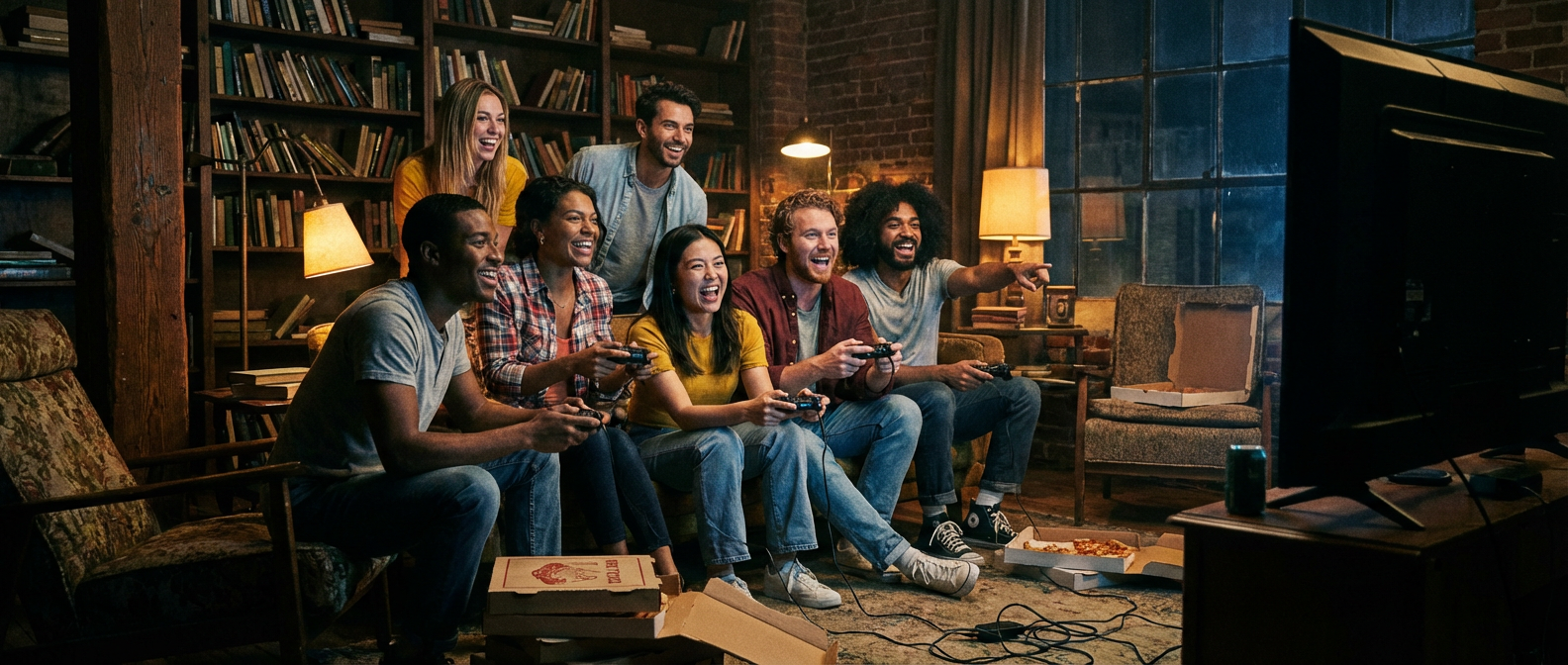
Look, I’m going to start with some hard truth here. Most games slap “co-op” on their Steam page and call it a day, but they’re really just single-player experiences with extra bodies running around. You know what I’m talking about. Those games where one person does all the puzzle-solving while everyone else stands around picking their nose, or where the difficulty scaling is so broken that adding a fourth player makes the game either trivially easy or impossibly hard.
Real co-op design needs specific mechanics that make teamwork mandatory, not just the ability to see your friend’s character on screen. The best co-op games create moments where you genuinely need each other to succeed. Communication becomes essential, and everyone gets a meaningful role. These games create those legendary “remember when” stories your group will be talking about months later.
I’ve played through hundreds of co-op games with my crew over the years, and I can tell you right now that maybe 20% of them are actually worth your time and friendship. The rest are relationship destroyers disguised as party games. So let’s talk about the ones that get it right.
The Gateway Drug: Games That Convert Solo Players
Portal 2’s co-op campaign is the gold standard for introducing people to collaborative gaming. This isn’t just Portal with two players. It’s a completely separate campaign designed from the ground up for teamwork. Every single puzzle requires both players to think together, plan together, and execute together. There’s no carrying anyone here. If one person doesn’t understand the solution, you’re both stuck.
What makes Portal 2 brilliant is how it teaches communication naturally. You’ll start by just pointing at things with the ping system, but by hour three you’re having detailed strategy discussions about portal placement and timing. The game forces you to develop a shared vocabulary for problem-solving that extends way beyond just this one game.
Deep Rock Galactic takes a different approach but achieves the same result. Four dwarves, four completely different classes, one simple mission: mine stuff and don’t die. But the genius is in how those classes interact. The Engineer’s platforms mean nothing without the Scout’s mobility. The Gunner’s ziplines are useless without someone to cover him while he sets them up. The Driller’s tunnels save everyone’s bacon when things go sideways. Every class feels essential. Every player matters. Every mission becomes a story of barely organized chaos somehow working out.
The Friendship Stress Tests: Games That Demand Everything
Escape rooms are cute. Escape room video games with friendly AI that waits patiently while you think? Also cute. We Were Here Forever? That’s psychological warfare disguised as a puzzle game. This series splits your team across separate locations with only voice chat to coordinate. One person can see the solution, the other has to implement it, and neither has all the information they need.
I’m not exaggerating when I say these games will test your friendship harder than moving apartments together. You’ll discover which of your friends can give clear directions under pressure and which ones describe everything as “that thingy over there.” The games are ruthless about precision. One misunderstood instruction and you’re starting the puzzle over. But when you finally nail a sequence that’s been stumping you for twenty minutes? That shared victory hits different than any raid boss kill.
Raft lives in a similar stress-test category but with survival mechanics. Managing hunger, thirst, shark attacks, and resource gathering while coordinating base expansion sounds manageable until you’re three hours in and someone forgot to assign a water purifier operator while the rest of the team was out collecting palm leaves. The game creates natural role specialization that emerges from player preferences rather than rigid class systems. Some people become the builders, others the explorers, others the resource managers. It’s emergent teamwork that feels organic.
The Competitive Cooperators: When You’re Fighting Together and Apart
Here’s where things get spicy. The best competitive co-op games create scenarios where you’re working toward a shared goal while also trying to optimize your individual performance. Minecraft Dungeons sounds innocent enough until you realize that the good loot drops are limited and you’re all racing to grab the legendary gear while still needing to keep each other alive for the boss fights.
Risk of Rain 2 perfects this dynamic. The teleporter won’t activate until everyone’s ready, so you need the team. But the best items go to whoever finds them first, so you’re also racing against your teammates between monster waves. The tension between cooperation and competition creates this incredible push-and-pull where you’re simultaneously helping and hindering each other. When someone finds a legendary item, the whole team celebrates, and also immediately starts plotting how to get the next one.
Overcooked takes this concept and wraps it in a deceptively cute restaurant management game. You’re all trying to serve customers together, but when orders start backing up and the kitchen catches fire, suddenly everyone’s pointing fingers about who forgot to wash the dishes. The scoring system grades your collective performance, but individual mistakes become very visible very quickly. It’s the kind of game that creates inside jokes and running gags that your group will reference for years.
The Deep Cuts: Games Your Group Probably Hasn’t Tried
Moving Out deserves way more attention than it gets. It’s like Overcooked but for furniture removal, which sounds boring until you’re trying to coordinate getting a couch through a second-story window while your friend operates the crane and your other friend fights off angry ghosts. The physics are just wonky enough to be hilarious without being frustrating, and the level design consistently surprises you with new mechanical twists.
Spiritfarer in co-op mode transforms from a meditative single-player experience into something completely different. The second player controlling the cat creates this amazing dynamic where one person focuses on the big picture while the other handles the moment-to-moment details. It’s the rare co-op game that makes the experience more emotionally resonant rather than just more chaotic.
Tools Up is criminally underrated for groups that want something competitive but not stressful. You’re renovating houses together, but the instructions are deliberately unclear and the tools are shared resources. It creates this perfect storm of miscommunication that’s always funny rather than frustrating. The time limits are generous enough that failure feels like shared comedy rather than individual blame.
What co-op games have created the best memories with your crew? Drop your recommendations in the comments. I’m always looking for the next game that’ll have us shouting at each other in the best possible way.
Updated on March 9, 2026
The Definitive Tier List of Gaming Community Drama: From Bronze-Level Twitter Feuds to Grand Master Meltdowns
S-Tier: The Platform Wars That Actually Matter
Listen up, because this is where gaming drama reaches its absolute peak performance. We’re talking about controversies that fundamentally reshape how we play games, not just who gets to play them. Epic vs Apple sits comfortably at the top of this tier because it literally changed mobile gaming economics forever. This wasn’t some streamer beef or review bombing campaign. This was a legal heavyweight match that redefined platform relationships and developer revenue splits across the entire industry.
The Activision Blizzard acquisition drama also lands here, and before you start typing angry comments about corporate bootlicking, hear me out. This controversy hit every single layer of gaming culture simultaneously. Labor issues, creative freedom, platform exclusivity, and industry consolidation all rolled into one massive shitstorm. When your drama affects indie developers, AAA studios, console manufacturers, AND regulatory bodies across multiple countries, you’ve earned your spot in S-tier.
What separates S-tier drama from everything below is simple: lasting change. These controversies don’t fade after a news cycle. They create new policies, change business models, and establish precedents that ripple through gaming for years. You might not like the outcomes, but you cannot argue with the scope and consequences.

A-Tier: When Developers Actually Listen (Or Spectacularly Don’t)
The Battlefront II loot box catastrophe earned its A-tier ranking because it proved player outrage could force fundamental game design changes from a major publisher. EA didn’t just tweak some numbers or issue a corporate apology. They completely rebuilt their progression system and sparked legislative discussions about gambling mechanics in games worldwide. That Reddit comment becoming the most downvoted in platform history wasn’t just meme fuel, it was a watershed moment for player-developer relationships.
Cyberpunk 2077’s launch belongs here too, and not just because of the bugs. CD Projekt Red’s handling of console versions, their misleading marketing, and the review embargo drama created a perfect storm that changed industry practices around pre-launch coverage and platform-specific optimization standards. Sony pulling the game from PlayStation Store was unprecedented for a major AAA release.
No Man’s Sky rounds out this tier as the redemption story that proves developer commitment can overcome even the most disastrous launches. Hello Games didn’t just patch their game, they expanded it beyond their original promises over multiple years without charging extra. This drama taught the industry that post-launch support could transform public perception more effectively than any marketing campaign.
B-Tier: Streamer Drama That Transcended Twitch Chat
Here’s where personality-driven controversies earn their stripes by actually affecting game development or industry practices. The Ninja-Fortnite exclusivity deal drama sits firmly in B-tier because it established streaming platform competition as a legitimate factor in game marketing strategies. When streamers started commanding sports athlete money for platform exclusivity, that changed how developers think about influencer partnerships and community building.
The Pokimane controversy cycles deserve mention here, not because of the individual incidents, but because they consistently highlight the intersection of parasocial relationships, platform monetization, and gender dynamics in gaming spaces. These dramas repeatedly force conversations about creator responsibility, audience boundaries, and platform policies that extend far beyond any single streamer.
What keeps streamer drama from reaching A-tier is sustainability. Most personality conflicts burn bright and fade fast. They create temporary policy changes and short-term shifts in platform dynamics, but rarely establish lasting precedents that reshape the industry.
C-Tier: Review Bombs and Rating Wars
The Last of Us Part II review bombing campaign earns its C-tier placement by demonstrating both the power and limitations of coordinated user score manipulation. This controversy proved that passionate fan communities could significantly influence game perception and sales, but it also showed how platform holders could adapt their review systems to combat coordinated campaigns. The drama forced Steam, Metacritic, and other platforms to implement new review verification systems.
Epic Game Store exclusivity controversies cluster in this tier because while they generate massive community backlash, they rarely change the business decisions driving them. Metro Exodus, Borderlands 3, and countless other exclusivity announcements follow the same pattern: outrage, boycott threats, platform review bombing, then gradual acceptance as games eventually reach Steam anyway.
What defines C-tier drama is its cyclical nature and limited long-term consequences. These controversies feel massive while they’re happening, generate thousands of angry posts and videos, but ultimately result in minor policy adjustments rather than fundamental industry changes. They’re the ranked silver matches of gaming drama: intense in the moment, but quickly forgotten when the next controversy drops.
D-Tier: Twitter Beef and Forum Flame Wars
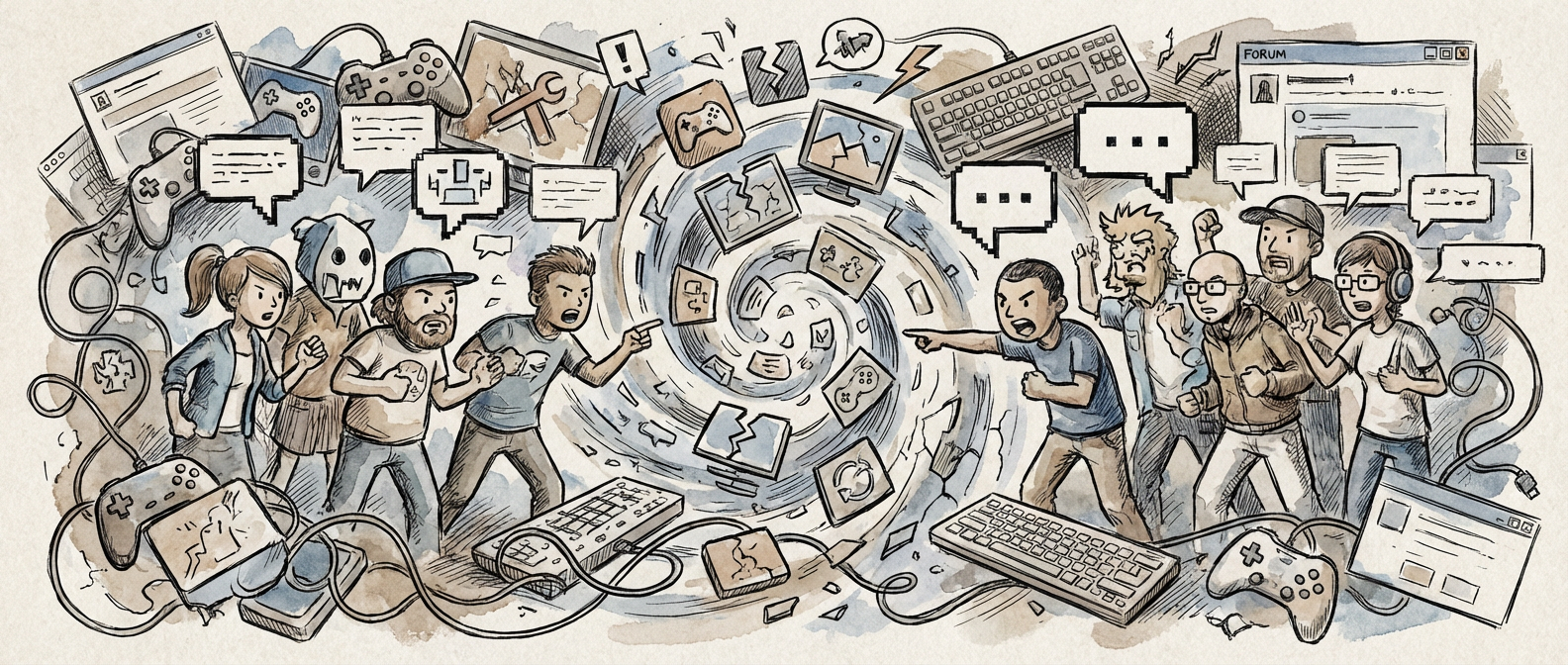
This is where 90% of daily gaming drama lives, and honestly, that’s exactly where it belongs. Individual developer tweets, gaming journalist hot takes, and random influencer beef might dominate your timeline for 48 hours, but they rarely create lasting change or meaningful discussion. These controversies are the digital equivalent of getting tilted in ranked: lots of emotional energy spent on situations that won’t matter by next week.
The constant cycle of outrage over game prices, DLC announcements, or minor balance changes sits here too. Yes, these topics matter to individual players and communities, but they don’t change industry practices or establish new precedents. They’re background noise in the larger conversation about gaming culture and business practices.
That doesn’t mean D-tier drama is worthless. Sometimes these smaller controversies combine or escalate into higher-tier situations. They work as early warning systems for larger industry issues and help gauge community sentiment on emerging topics. Think of them as the laning phase of gaming controversy: necessary for setting up bigger plays, but rarely game-changing on their own.
So there’s my definitive ranking of gaming drama, and yes, I’m absolutely ready to defend every placement in the comments below. What controversies did I miss? Where do you think I got the tiers completely wrong? Drop your own tier lists and let’s settle this like civilized gamers: with passionate arguments backed by oddly specific examples and way too much investment in being right about internet drama.
Updated on March 9, 2026
The Great Gaming Drama That Made Us All Worse (And Better) Players
When Everyone Lost Their Minds Over Balance Patches
Remember when Riot nerfed Irelia for the 47th time and half the League community acted like they’d personally killed their childhood pet? Or when Street Fighter 6’s launch had everyone screaming about Ken being absolutely broken until three weeks later when people figured out you could just… block low? Gaming drama hits different when you’re living through it versus looking back with clear eyes.
The thing about community meltdowns is they’re always about something deeper than the surface complaint. That Irelia nerf wasn’t really about her kit getting changed. It was about players realizing they’d been using her as a crutch for months, and suddenly facing the terrifying prospect of actually learning fundamentals. Same energy as when your favorite character gets “ruined” by changes that mostly just require you to adapt your muscle memory.
Looking back, most of these balance controversies follow the same script. New patch drops. Streamers overreact for content. Reddit becomes a nuclear wasteland of hot takes, and everyone’s convinced the game is dying. Then two weeks later, the meta settles, someone finds a new optimal strategy, and suddenly the “broken” thing is just another part of the game. Rinse and repeat every three months.
The Esports Scandal That Wasn’t Actually That Deep
Oh man, the whole “competitive integrity” meltdown of 2019. You know the one. Tournament organizers started cracking down on player celebrations, coaches got banned for using unapproved communication methods, and suddenly everyone was an expert on what “real” competition should look like. The drama reached peak absurdity when people were genuinely arguing that showing emotion after a big play somehow undermined the sport’s legitimacy.
Here’s what actually happened: esports grew up fast, and growing pains are messy. Organizations were scrambling to look “professional” to attract traditional sports money, which meant sanitizing all the weird, wonderful chaos that made competitive gaming fun in the first place. Players who’d been treating tournaments like weekend hangouts with prize pools suddenly found themselves dealing with dress codes and media training.
The real tragedy wasn’t the rule changes. It was watching a community convince itself that being taken seriously meant abandoning everything that made it special. Spoiler alert: the best tournaments still feel like celebrations, not corporate presentations. Turns out authenticity sells better than artificial respectability.
Content Creator Beef and the Parasocial Explosion
Nothing prepared us for the era of streamer drama becoming actual news cycles. When two moderately popular content creators had a falling out over raid etiquette in an MMO, suddenly there were video essays, response videos, and reaction content stretching the drama into a month-long saga. People were picking sides in conflicts they barely understood between creators they’d never met.
The wild part? Most of these feuds were just normal human disagreements amplified by audiences hungry for drama. Two friends have a miscommunication about sharing viewers during raids, one makes a passive-aggressive comment on stream, chat goes nuclear, and before you know it there are conspiracy theories about intentional sabotage and career-ending betrayals. The internet turned every minor social friction into Game of Thrones.
What we learned: parasocial relationships are powerful and weird. Viewers genuinely cared about these people and wanted to protect them, but that protective instinct often made small problems exponentially worse. The creators who survived this era were the ones who learned to set boundaries early and keep their personal drama offline.
The Platform War Nobody Actually Won
Console wars used to be simple. Nintendo vs Sega, PlayStation vs Xbox, pick your fighter and argue about polygon counts at lunch. Then streaming platforms entered the chat, and suddenly we were having heated debates about which service had better chat moderation and whether exclusive partnerships were killing the industry.
The Twitch vs YouTube Gaming vs Facebook Gaming holy war reached peak stupidity when people were boycotting creators for platform switches. As if your favorite streamer moving to a different website was a personal betrayal rather than a business decision. Meanwhile, the platforms were throwing ridiculous money around trying to poach talent, creating an unsustainable bubble that inevitably burst.
Looking back, the platform drama revealed something interesting about how we consume content. People weren’t really mad about the technology or features. They were upset about change, about having to adapt their viewing habits, about the fear that their favorite creators might disappear into algorithm obscurity on unfamiliar platforms. The drama was never about the platforms. It was about community and continuity.
What We Actually Learned From All The Chaos
Here’s the thing about gaming drama: it always feels earth-shattering when you’re in it, but time has a way of putting things in perspective. That game-breaking character? Usually gets figured out. That scandal that was going to destroy esports? Forgotten by next season. That creator beef that split the community? Both sides are probably streaming together again.
The real lesson isn’t that drama doesn’t matter. It’s that communities are remarkably resilient when they focus on what actually brings them together. The best gaming experiences happen when people are too busy having fun to worry about the latest controversy. Whether you’re grinding ranked, watching tournaments, or just hanging out in chat, the magic happens when everyone’s focused on the game itself rather than the noise around it.
What gaming drama do you remember differently now than when you lived through it? Drop your stories in the comments because honestly, some of these retrospectives hit different when you hear them from someone who was actually there grinding through the chaos.
Updated on March 9, 2026
The Definitive Co-Op Games Tier List: Where Your Friend Group Actually Belongs
S-Tier: The Hall of Fame Friendship Destroyers
OVERCOOKED 2 sits at the absolute peak of co-op gaming, and anyone arguing otherwise clearly hasn’t experienced the pure chaos of a four-person kitchen during the final rush. This game doesn’t just test your cooking skills. It picks apart your friend group’s communication with surgical precision. The genius lies in how quickly things escalate. Level one feels manageable until you realize Kevin keeps hoarding all the plates and Sarah refuses to acknowledge that chopping onions needs two people.
The brilliance of Overcooked 2 goes way beyond screaming matches over burnt bread. Its level design forces you to adapt constantly. Kitchens split apart, conveyor belts change direction, and suddenly your carefully coordinated assembly line becomes absolute pandemonium. Every successful service feels like your squad just clutched a 1v4 in Counter-Strike. The dopamine hit is unmatched.
IT TAKES TWO deserves its spot here purely for how it weaves story into cooperative mechanics. Hazelight Studios created something special by making every single gameplay element require genuine collaboration. The tool-switching sequences aren’t just clever design choices. They’re relationship tests disguised as platforming challenges. When May and Cody’s story mirrors your real-world partnership dynamics, you know the developers understood the assignment.
These games earn S-tier because they go beyond simple entertainment. They create shared experiences that become legendary friend group stories. Three years later, you’re still talking about “the incident with the fire extinguisher level” because these games generate genuine emotional investment in collective success.
A-Tier: The Reliable Champions
DEEP ROCK GALACTIC is everything right about modern co-op design. Four-player mining missions with procedurally generated caves mean every session feels fresh without sacrificing the core loop that keeps players invested. The class synergy runs deeper than most people realize. Engineers don’t just build platforms for convenience. They’re creating strategic advantages that transform how Scouts approach mineral collection and how Gunners establish defensive positions.
The game’s ping system deserves special recognition for solving communication problems most co-op games ignore. When Marcus spots a Bulk Detonator while you’re focused on a swarm of Glyphid Grunts, that audio cue cuts through Discord chatter better than any voice callout. Rock and Stone isn’t just a meme. It’s shorthand for “we’re all synchronized and ready to execute.”
PORTAL 2 CO-OP MODE earns its reputation through pure puzzle design excellence. Valve understood that cooperative puzzle-solving requires different mental frameworks than single-player challenges. The best Portal 2 moments happen when both players simultaneously realize the solution requires perfect timing and spatial awareness. Those “OH WAIT I SEE IT” moments create genuine excitement that single-player games rarely match.
A WAY OUT rounds out A-tier by proving that split-screen co-op still has untapped potential. Hazelight’s commitment to asymmetrical gameplay means both players experience unique perspectives on shared story beats. When Vincent and Leo’s escape plans diverge, both players feel equally invested in the outcome because they’ve each contributed distinct skills to reach that moment.
B-Tier: The Solid Performers With Asterisks
MINECRAFT belongs here despite its massive cultural impact because its co-op experience depends heavily on player creativity and server management. When your group commits to a shared building project, Minecraft becomes genuinely magical. The problem is sustainability. Too many friend groups start ambitious servers that die within weeks because maintaining momentum requires constant engagement that not everyone can provide.
The technical barriers can’t be ignored either. Setting up modded servers, managing grief protection, and coordinating everyone’s availability creates friction that S-tier games avoid. When everything aligns perfectly, Minecraft delivers unforgettable cooperative experiences. Those moments just require more setup and maintenance than casual friend groups typically invest.
STARDEW VALLEY MULTIPLAYER offers relaxing cooperation that works perfectly for certain group dynamics. Farming together, exploring the mines, and coordinating community center bundles creates satisfying shared progress. The limitation comes from its pacing. Stardew Valley rewards patience and routine, which doesn’t always translate to exciting group gaming sessions. It’s therapeutic rather than thrilling, which some friend groups prefer but others find understimulating.
LEFT 4 DEAD 2 remains mechanically excellent but shows its age in ways that affect the modern co-op experience. The AI Director still creates incredible tension through dynamic difficulty adjustment. However, newer games have refined communication systems and accessibility options that make L4D2 feel dated during extended sessions. It’s still worth playing, but with the understanding that some design choices reflect 2009 conventions rather than current best practices.
C-Tier: The “It’s Fine” Zone
AMONG US exploded in popularity but shows significant limitations during extended play sessions. The social deduction mechanics create genuine excitement for the first dozen rounds. After that, most groups develop meta-strategies that reduce the psychological tension that makes the game compelling. Regular friend groups learn each other’s tells too quickly, while random lobbies often lack the communication quality needed for satisfying gameplay.
The game works best as an occasional palate cleanser rather than a primary co-op experience. When your usual squad needs a break from high-intensity cooperation, Among Us provides light social interaction without demanding mechanical skill development. It’s the gaming equivalent of ordering pizza when nobody wants to cook.
FALL GUYS sits here for similar reasons. The initial novelty of chaotic battle royale platforming wears thin once you’ve experienced all the map variations. While the competition creates funny moments, the lack of meaningful progression or skill expression limits long-term engagement. Friend groups might return occasionally for nostalgia, but it rarely becomes a regular rotation staple.
The Verdict: Why These Rankings Matter
This tier list reflects hundreds of hours analyzing what makes co-op games succeed or fail with actual friend groups. S-tier games create lasting memories through expertly balanced challenge and communication requirements. A-tier games deliver consistent enjoyment with minor limitations. B-tier games offer solid experiences that require specific circumstances or preferences. C-tier games provide temporary entertainment without building long-term engagement.
The real test isn’t whether a game seems fun during the first session. It’s whether your friend group still gets excited when someone suggests loading it up three months later. S-tier games pass that test consistently because they understand that great co-op design helps the relationships between players, not just individual entertainment. What’s your friend group’s current rotation looking like, and where do you think I completely missed the mark on these rankings?
Updated on March 9, 2026
Why Gaming Community Drama Always Follows the Same Script (And How to Actually Learn From It)
Every Gaming Drama Is the Same Drama in Different Clothes
Look, I’ve been watching gaming community meltdowns since before Twitter existed, and I’m telling you right now: every single drama follows the exact same playbook. Developer makes controversial change. Community loses its collective mind. Influencers pick sides based on what gets clicks. Everyone screams into the void for two weeks. Then we all move on until the next patch drops.
The pattern is so predictable you could set your calendar by it. Remember when everyone said Apex Legends was “dead” because of the Season 6 TTK changes? Or when the entire Overwatch community declared the game unplayable after Mercy got her rework? Spoiler alert: both games are still here, still pulling millions of players. Most of those “game-killing” changes either got adjusted or people just adapted.
Here’s what actually happens behind the scenes. Developers have data you don’t see. They’re looking at engagement metrics, player retention rates, and win-loss distributions across skill brackets that would make your head spin. When they make a change that seems random or stupid, there’s usually a reason. It becomes clear six months later when you realize the meta actually became more diverse.
The Real Victims Are Always the New Players
Want to know who gets hurt most by community drama? It’s not the veterans who rage-quit and come back three days later. It’s the person who just downloaded the game and opens Reddit to find 47 posts about how the developers “hate the community” and the game is “literally unplayable now.” That person closes the app and never opens it again.
I’ve watched this happen in every competitive game I’ve ever loved. The community becomes so focused on what’s broken or unfair that they forget to explain what’s actually fun. New players show up looking for help learning basic mechanics. Instead they find essay-length rants about frame data and hitbox inconsistencies. No wonder our player bases keep shrinking.
The worst part? Half the time the “broken” mechanics that dominate forum discussions don’t even matter until you hit diamond rank. But try explaining to someone that they don’t need to worry about advanced canceling techniques when they’re still learning how to block correctly. The community has convinced itself that every casual player needs to understand the game like a tournament competitor.
Content Creators Make Everything Worse (Sorry Not Sorry)
Let me be crystal clear about something: most gaming content creators are not your friends. They’re running businesses, and outrage generates more engagement than thoughtful analysis. That YouTuber with 500K subscribers isn’t making a 20-minute video titled “This Change Will KILL The Game” because they’re genuinely concerned about game health. They’re making it because angry thumbnails get clicks.
The incentive structure is completely backwards. A measured take that explains both sides of a balance change might get 50,000 views. A dramatic reaction video where someone threatens to quit gets 300,000 views and stays trending for a week. Content creators who actually understand game design get buried under mountains of manufactured controversy.
This creates a feedback loop where developers start making decisions based on social media noise instead of actual player data. Remember when Riot almost reverted a bunch of ADC changes because of Twitter backlash, even though their internal metrics showed the changes were working exactly as intended? The loudest voices aren’t always the most informed ones, but they’re definitely the most visible.
How to Actually Evaluate Game Changes (Instead of Just Screaming)
Here’s your survival guide for the next gaming controversy that’s definitely coming next week. First, give changes at least two weeks before forming an opinion. I don’t care how obvious the problem seems on day one. Meta development takes time, and players need space to adapt and find counters.
Second, check your rank before complaining about balance. If you’re in gold lobbies complaining that a character is overpowered, look up their win rates across different skill brackets. Chances are they’re stomping low-rank games but getting handled easily once players learn the matchup. That’s not a balance problem, that’s a knowledge problem.
Third, separate bugs from design decisions. A character having a broken hitbox that makes them invincible is a bug that needs fixing immediately. A character being really strong until you learn to play around their kit is working as intended. Learn the difference before joining the pitchfork mob.
Finally, remember that developers want their games to succeed just as much as you do. They’re not sitting in meetings thinking of ways to ruin your fun. They’re looking at data, testing changes internally, and trying to solve problems you might not even realize exist. Give them the benefit of the doubt occasionally.
The Community We Actually Need
Gaming communities at their best are incredible things. They’re places where a bronze player can ask for advice and get genuinely helpful responses. Where someone can share a cool play and get hyped up instead of nitpicked. Where people celebrate improvement instead of only focusing on what’s broken.
We need more players who get excited about the small wins and fewer who treat every patch like a personal attack. More people explaining why strategies work and fewer demanding immediate nerfs for anything that beats them. More celebration of good plays from opponents and less salt about “cheap tactics.”
The next time your favorite game has a community meltdown, try something radical: wait and see what actually happens. Play the changes for yourself. Form your own opinions based on your own experience. You might be surprised how often the sky doesn’t actually fall.
What gaming drama have you been through that turned out to be much less serious than everyone claimed? Drop your stories in the comments, and let’s laugh about how worked up we all get over video game balance patches.
Updated on March 9, 2026
The Great ROM Debate: Why Gaming’s Past Is Disappearing While Lawyers Get Rich
Our Digital Heritage Is Vanishing
Gaming culture faces a crisis that would make book burners blush. Recent research from the Video Game History Foundation reveals a shocking truth: 87 percent of classic video games have vanished into commercial oblivion. These aren’t just statistics on a spreadsheet. These are digital artifacts that shaped entire generations.
Think about it. Your favorite childhood platformer, that obscure RPG that kept you up all night, the weird experimental game that changed how you viewed interactive media. Chances are, they’re gone. Not destroyed, mind you. Just locked away in corporate vaults while legal departments wage war against anyone trying to preserve them.
This isn’t preservation. It’s cultural amnesia dressed up in copyright law. Meanwhile, corporations that couldn’t care less about their own history send cease-and-desist letters to fans who actually give a damn about keeping these games alive.
The Underground Railroad of ROMs
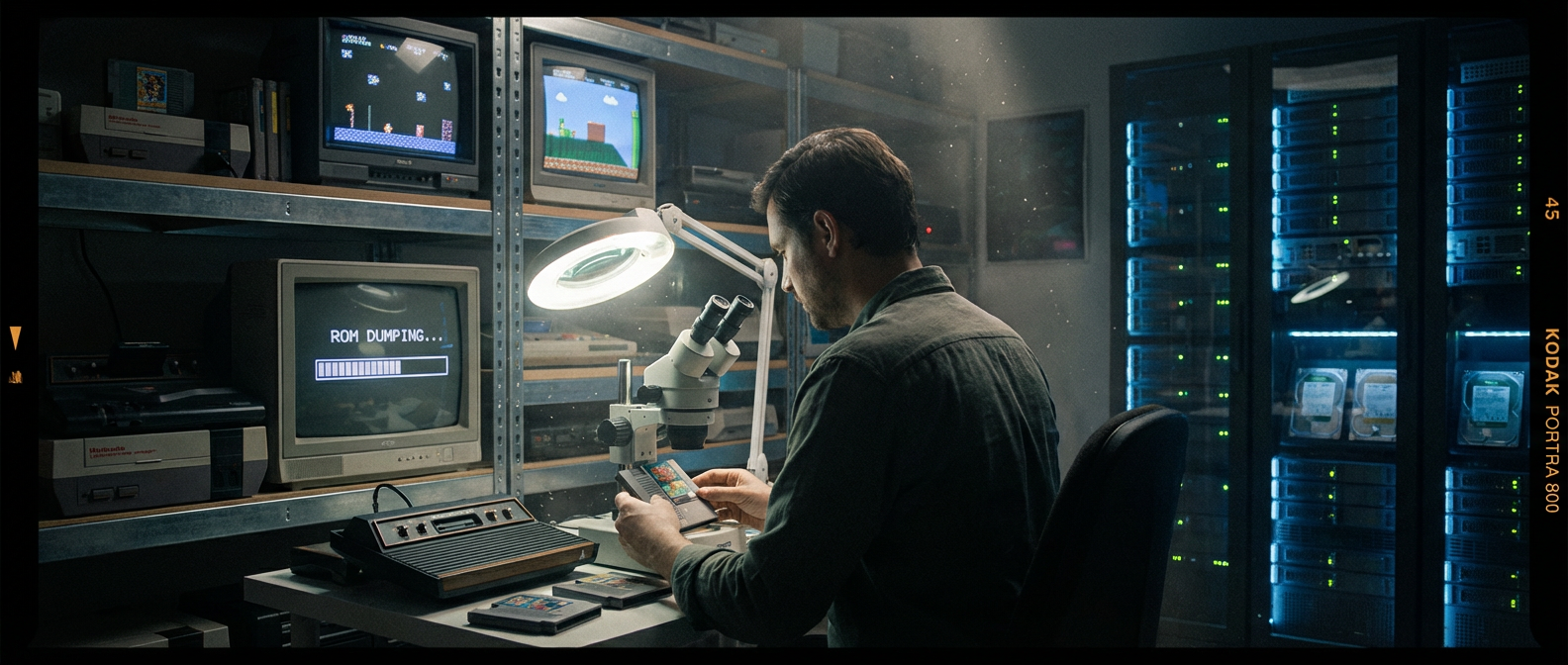
Enter the ROM preservation community. These digital archaeologists work in legal gray areas, scanning cartridges, dumping data, and making sure gaming history doesn’t disappear into the void. Sites like the Internet Archive games collection host thousands of playable vintage titles under DMCA exemptions that barely protect their work.
This community operates like an underground railroad for digital culture. They’re not pirates looking for quick profits. They’re preservationists fighting against time and corporate indifference. Every ROM they save is a small victory against the forces trying to erase our shared gaming heritage.
The irony is thick enough to cut with a pixelated sword. Companies that abandoned these games decades ago suddenly care deeply about their intellectual property when fans try to preserve what the market has forgotten. It’s like burning down libraries and then suing people for keeping books in their basements.
Nintendo’s War on Nostalgia
Nobody represents this backwards approach quite like Nintendo. The company that built its empire on innovative gameplay now seems more interested in wielding DMCA takedowns like a digital sledgehammer. Fan projects that celebrate Nintendo’s legacy get nuked from orbit. ROM sites hosting games from the Reagan era face legal threats that would make the yakuza proud.
Nintendo’s approach sends a clear message: they’d rather see their games disappear than let fans preserve them without permission. This isn’t about protecting current revenue streams. Most of these games generate zero income for Nintendo. This is about control, pure and simple.
The company occasionally throws fans a bone through their Switch Online service, drip-feeding classic games at a pace that would make geological time seem speedy. Meanwhile, entire libraries of incredible games rot in legal limbo because admitting they have value might complicate Nintendo’s next lawsuit.
Hardware Heroes and Legal Victories
Not everyone in the industry operates with such hostility toward preservation. The FPGA emulation market is exploding with devices like Analogue’s console recreations and the open-source MiSTer platform. These hardware solutions offer pixel-perfect accuracy for classic games while dodging some of the legal landmines that plague software emulation.
More importantly, the legal landscape is slowly shifting in favor of preservation. The Library of Congress expanded its DMCA exemptions for game preservation in 2024, recognizing that academic and cultural institutions need protection when saving digital artifacts. These exemptions aren’t perfect, but they’re a start.
The growing market for retro gaming hardware proves that demand for classic games isn’t going anywhere. Companies like Analogue are making serious money by giving people legal ways to play their old cartridges. Turns out respecting gaming heritage can be profitable. Who knew?
Publishers: Silent Partners in Cultural Destruction
While Nintendo grabs headlines with its aggressive tactics, most game publishers prefer a different approach: strategic silence. They won’t actively preserve their catalogs, but they won’t publicly attack preservation efforts either. This passive aggression might seem better than Nintendo’s scorched-earth approach, but the result is the same. Games disappear.
These publishers treat their back catalogs like toxic waste. Too dangerous to touch, too valuable to abandon completely. They’ll occasionally resurrect a franchise for a quick cash grab, but systematic preservation? That’s someone else’s problem. Preferably someone they can sue if necessary.
This industry-wide indifference to preservation creates an impossible situation for fans. Love a game enough to preserve it, and you become a copyright criminal. Let it disappear, and you’re complicit in cultural destruction. The only winning move, according to corporate lawyers, is not to play.
The ROM debate isn’t really about piracy or copyright law. It’s about who gets to decide which parts of our shared culture survive into the future. Right now, that decision rests with corporations that view gaming history as a liability rather than a treasure. The preservation community fights this digital book burning one ROM at a time, but they shouldn’t have to fight alone. What role will you play in keeping gaming’s past alive for future generations?