

The $400 Million Wake-Up Call Nobody Wanted
Let’s talk about Sony’s Concord. Eleven days. That’s how long it took for one of the most expensive live service projects ever greenlit to completely crater and get pulled from existence. We’re talking about a game that cost an estimated $400 million to develop and market, shut down before most people even knew it existed, with fewer than 25,000 copies sold across PlayStation 5 and PC. That’s not a failure. That’s a catastrophic miscalculation at a scale that should terrify every publisher in the industry.
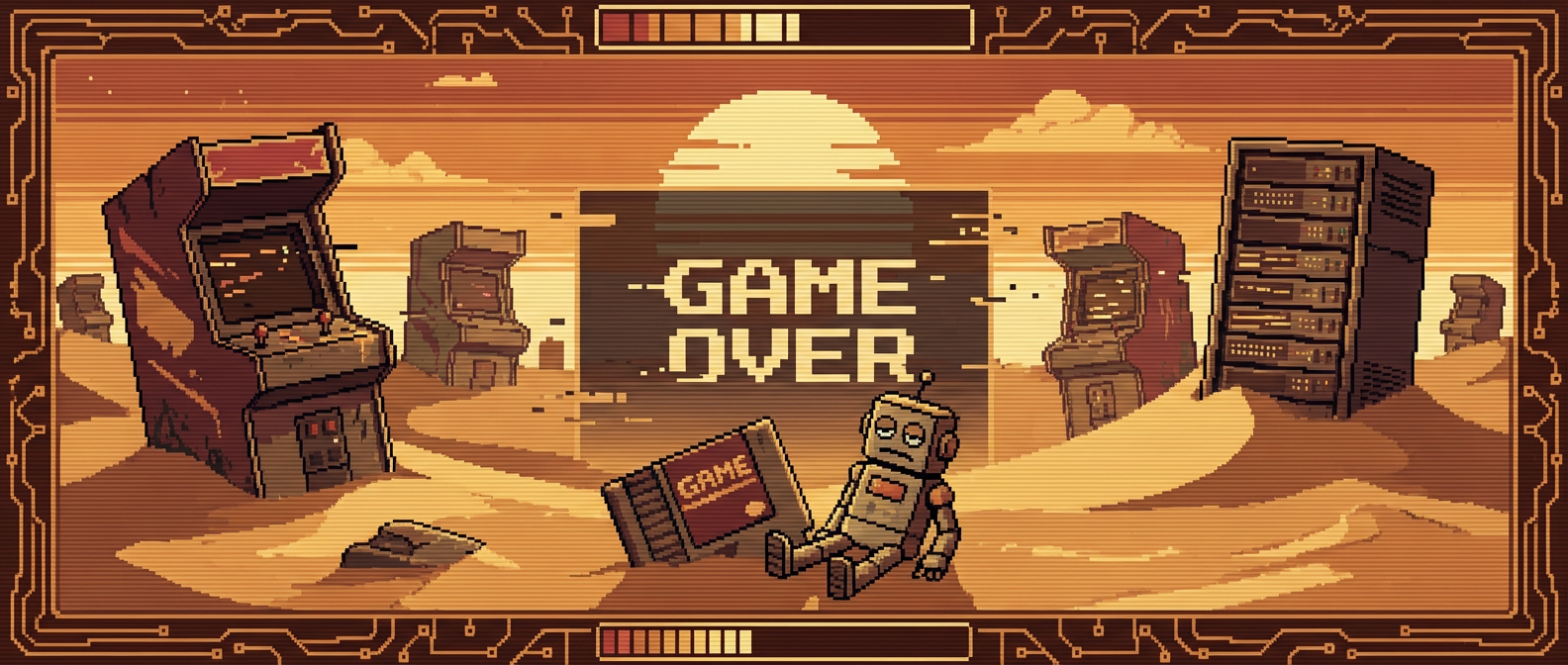
What made Concord sting even harder? It wasn’t a technical disaster or a broken mess at launch. By all accounts, the game itself worked fine. It just… didn’t matter. Nobody cared. And that’s the real horror story here. You can have solid gunplay, beautiful cosmetics, and competent game design, and none of it matters if players aren’t there to experience it. Concord became the poster child for an industry that’s completely lost touch with what audiences actually want from live service games.
2025 is the Year Everything Broke
If Concord was the warning shot, 2025 has been the full broadside. We’ve watched at least seven major live service launches announce server shutdowns or face catastrophic player count drops exceeding 80% within six months of release. That’s not a trend. That’s a pattern, a systemic failure affecting the entire industry’s approach to live service gaming.
The numbers are brutal. According to IGN Analysis: The Live Service Game Graveyard, we’re seeing an unprecedented graveyard of abandoned projects. Games that studios bet their reputations on are vanishing faster than battle pass cosmetics during a seasonal reset. The common thread? They all launched, they all had problems, and they all failed to retain players beyond the first month.
This isn’t just about bad games either. Some of these were competent entries from experienced studios. They just launched into a market so oversaturated with free-to-play battle royales and hero shooters that nobody had room in their gaming diet for another one. The audience is finite. The games are infinite. The math doesn’t work anymore.
The Development Paradox Nobody Talks About
Here’s where it gets REALLY interesting. The cost to develop and market a AAA live service game has absolutely exploded. We’re talking about $350 million average development costs in 2025, up from $200 million just five years ago. That’s a 75% increase in spending while actual market opportunities have shrunk. Publishers are dumping more money than ever into these projects right before launch, but the fundamental problem remains unsolved: getting people to show up on day one and actually stick around.
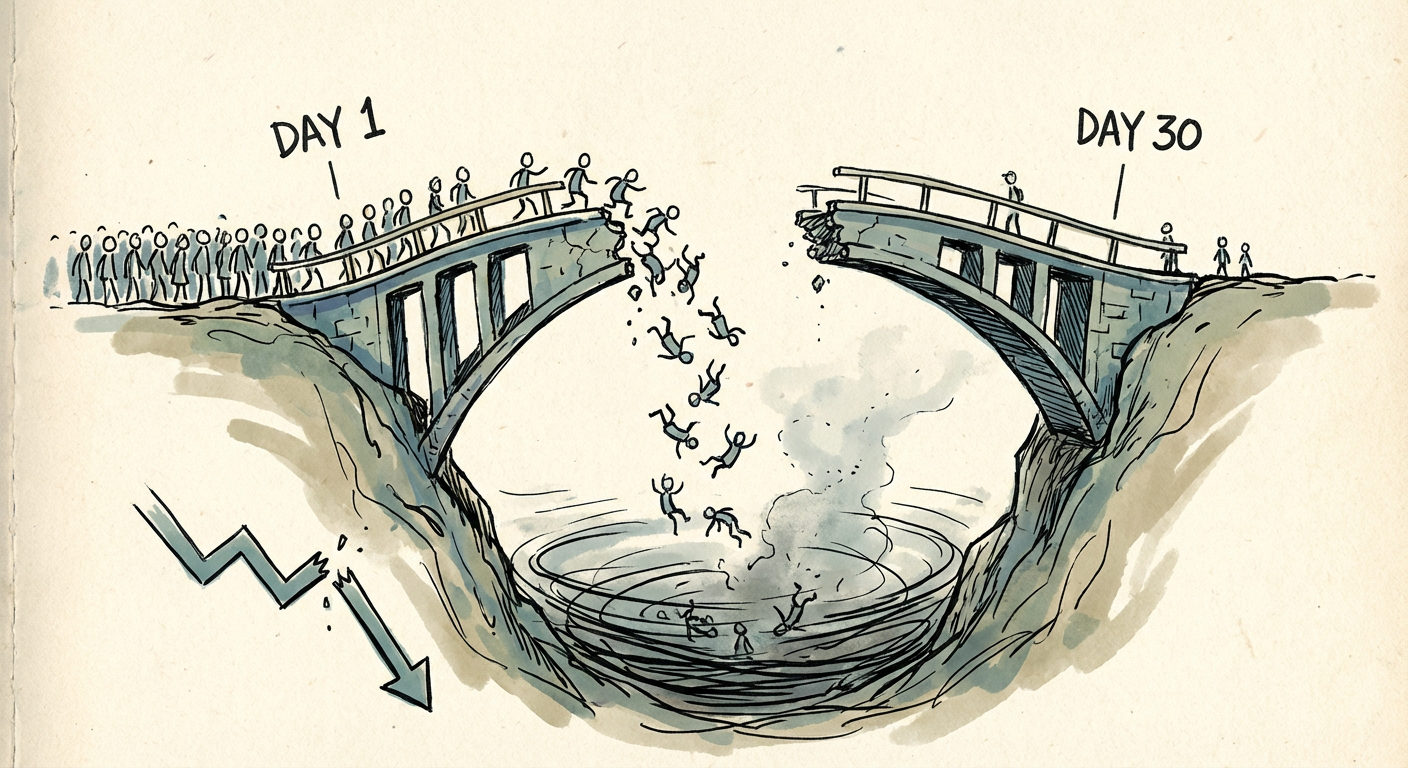
Player retention data from Limelight Networks’ 2025 Gaming Report paints a devastating picture. Live service games are hemorrhaging players at an alarming rate. On average, these games lose 70% of their day-one player base within the first 30 days post-launch. That’s not a retention issue. That’s a fundamental failure of the product to deliver on its promises. People show up, they play, and then they bounce. Hard.
Think about what that means for the financials. You spend $350 million to build something. You get a spike of players at launch. Then 70% of them vanish within a month. Now you’re in a death spiral where the remaining player base is too small to sustain the live service content pipeline that’s supposed to keep people engaged. It’s a vicious cycle that most studios can’t escape once they’re trapped in it.
What Microsoft’s Doing Right (And Why It Matters)
Meanwhile, Microsoft is taking a completely different approach. At the GDC 2025 panel, Xbox Game Studios head Matt Booty revealed that Microsoft now requires every live service pitch to demonstrate a concrete three-year content runway before it gets greenlit. Think about that. They’re not just throwing money at ideas anymore. They’re forcing their teams to actually plan what they’re going to do beyond launch. Revolutionary concept, right?
Check out the GDC 2025 Session Archive if you want to dig deeper into how industry leaders are rethinking this space. What Microsoft’s doing isn’t sexy. It’s not visionary. It’s just… responsible. It’s the equivalent of forcing a team to think about what happens after the grand opening instead of just booking a venue and hoping people show up.
The three-year content roadmap requirement forces studios to confront the real question: What are we actually making here? Is there a genuine community hook? Do we have content plans that actually matter? Or are we just crossing our fingers and hoping cosmetics sales will carry us? That level of scrutiny would’ve saved Sony from Concord. It would’ve saved a dozen other studios from 2025’s spectacular crashes.
What Actually Needs to Change
Here’s the thing that keeps me up at night about all this. The live service model isn’t inherently broken. Games like Final Fantasy XIV, Valorant, and Helldivers 2 prove that you can build sustainable, thriving communities around live service games. But you can’t just throw money at the problem anymore. You need actual vision, genuine community investment, and a clear answer for why players should care about YOUR game specifically instead of the seventeen other options they’ve already got installed.
Publishers need to stop treating live service as a money multiplier and start treating it as what it actually is: a long-term commitment to building something with a real community. That means hiring people who actually understand community management. It means listening to feedback beyond the first two weeks. It means being willing to shut something down if it’s clearly not working instead of hemorrhaging money for another two years.
The industry is finally getting exhausted by its own greed, and honestly? That might be the best thing that could happen. The players are tired. The developers are tired. The communities that do exist are showing the industry what works: genuine communication, meaningful content, and respect for people’s time and money. If studios start actually following that blueprint instead of chasing Fortnite success, 2026 might actually be the year live service gaming stops being a financial death trap.
What’s YOUR take on all this? Have you watched any of these failed launches up close? Are you still playing anything in the live service space that actually feels worth your time? Drop your thoughts in the comments. I’m genuinely curious which games you think actually get it right.