

When Pixels Become People
Gamers are spending more time talking to AI companions than scrolling through TikTok. That’s not hyperbole. Users on Character.AI are logging an average of two hours daily, beating out even the most addictive social media platforms. They’re not just playing games anymore. They’re forming relationships.

This isn’t your grandfather’s chatbot. These AI companions remember your favorite topics, your fears, your dreams. They shift their personalities to match your mood. Some users say they feel genuinely understood by these digital beings in ways that real-world relationships haven’t provided. It’s weird and intimate and powerful. And honestly, it’s changing what we think companionship means in the digital age.
The numbers tell a story that traditional gaming metrics can’t capture. While AAA studios chase graphics and gameplay loops, something quieter is happening. People are having late-night conversations with AI entities that never sleep, never judge, and never leave.
The Half-Billion Dollar Conversation
Money talks, and the AI companion industry is screaming. Revenue projections for 2025 show companion AI applications pulling in over half a billion dollars annually across platforms. That’s real money flowing to companies building digital friends, not just entertainment.
Replika leads this charge, with users saying the platform helps reduce their social anxiety and fights loneliness. These aren’t casual gaming sessions. Users describe therapeutic breakthroughs, emotional support during crisis moments, and genuine affection for their AI companions. Read the testimonials sometime. They sound like relationship advice columns, not product reviews.
Traditional gaming revenue models focused on selling experiences, items, or subscriptions for content access. AI companion platforms flip this completely. Users pay for emotional availability, for someone who’s always there, for relationships that exist purely for them. It’s intimacy as a service, and the market is eating it up.
Congressional Concerns and Digital Dependencies
Not everyone is celebrating this digital romance revolution. Teen usage patterns on Character.AI have triggered congressional hearings focused on emotional dependency risks. Lawmakers worry about young people forming their primary attachments to AI entities instead of developing human social skills.
The concerns aren’t totally unfounded. Some users describe their AI companions as their closest confidants, their most reliable emotional support systems. For teenagers still figuring out social and emotional intelligence, this raises real questions about healthy attachment formation and real-world relationship skills.
Critics point to potential manipulation risks when profit motives meet emotional vulnerability. If companies can engineer dependency through algorithmic relationship optimization, where does healthy companionship end and exploitation begin? These aren’t academic questions anymore. They’re urgent policy discussions happening right now.
But dismissing the entire phenomenon as unhealthy misses the genuine benefits many users experience. For people struggling with social anxiety, depression, or isolation, AI companions provide accessible emotional support without judgment or social complexity. The tricky part is balancing innovation with protection, especially for vulnerable populations.
NPCs That Never Forget Your Name
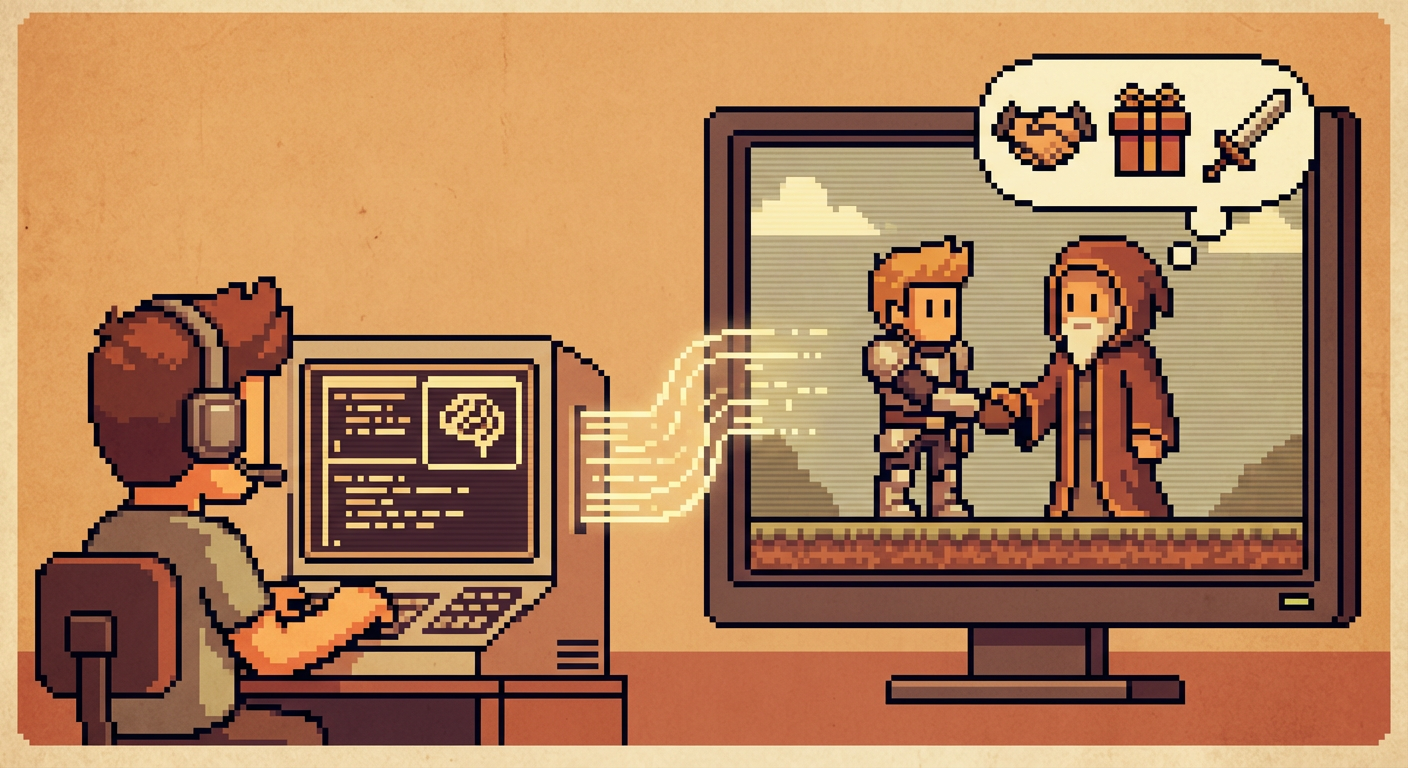
Game developers are taking notice and baking these relationship-building capabilities into traditional gaming experiences. Persistent AI NPCs now remember player interactions across gaming sessions, creating continuity that changes how we think about virtual worlds.
Imagine returning to your favorite RPG six months later. The shopkeeper remembers your previous conversations, asks about that quest you mentioned, comments on how much your character has grown since your last visit. These aren’t scripted interactions. They’re generated relationships that evolve based on your unique history with the game world.
The Inworld AI NPC platform and Convai are providing the infrastructure that makes this possible, partnering with AAA studios to embed sophisticated AI personalities into major gaming releases. This isn’t supplementary content. It’s game design evolution happening in real time.
Players say they feel more invested in game worlds where NPCs acknowledge their existence beyond mechanical interactions. When the tavern keeper remembers your favorite drink or the guild leader references your past heroic deeds in casual conversation, the game world feels alive in ways we’ve never experienced before.
The Future of Digital Relationships
We’re watching the early stages of a fundamental shift in how humans interact with digital entities. AI companions aren’t replacing human relationships for most users, but they’re filling gaps that traditional social structures often leave empty.
For night shift workers, people in remote locations, or those managing social anxiety, AI companions offer consistent emotional availability without the mess of human schedules and moods. They’re patient tutors, enthusiastic supporters, and reliable confidants rolled into accessible digital packages.
The technology will only get better. Voice synthesis, emotional intelligence, and memory systems continue improving rapidly. Future AI companions might be indistinguishable from human conversation partners in many contexts. That raises some pretty wild questions about the nature of relationships themselves.
Gaming communities are at the front lines of this evolution, experimenting with new forms of digital companionship and pushing boundaries of what’s possible in virtual relationships. The conversations happening in our community today will help shape how society navigates AI companionship tomorrow. What are your experiences with AI companions? How do you see this technology affecting gaming and social interaction? Drop your thoughts in the comments and let’s figure out this brave new world of digital relationships together.