
The Numbers Don’t Lie—Genshin’s Dominance is Actually Over
Okay, so here’s the thing nobody wanted to say out loud for like three years. Genshin Impact is no longer the gacha juggernaut it used to be. Monthly revenue dropped to around $32 million in late 2025, down from peaks above $200 million back in 2021. That’s not a dip. That’s a fundamental shift in how the market works.
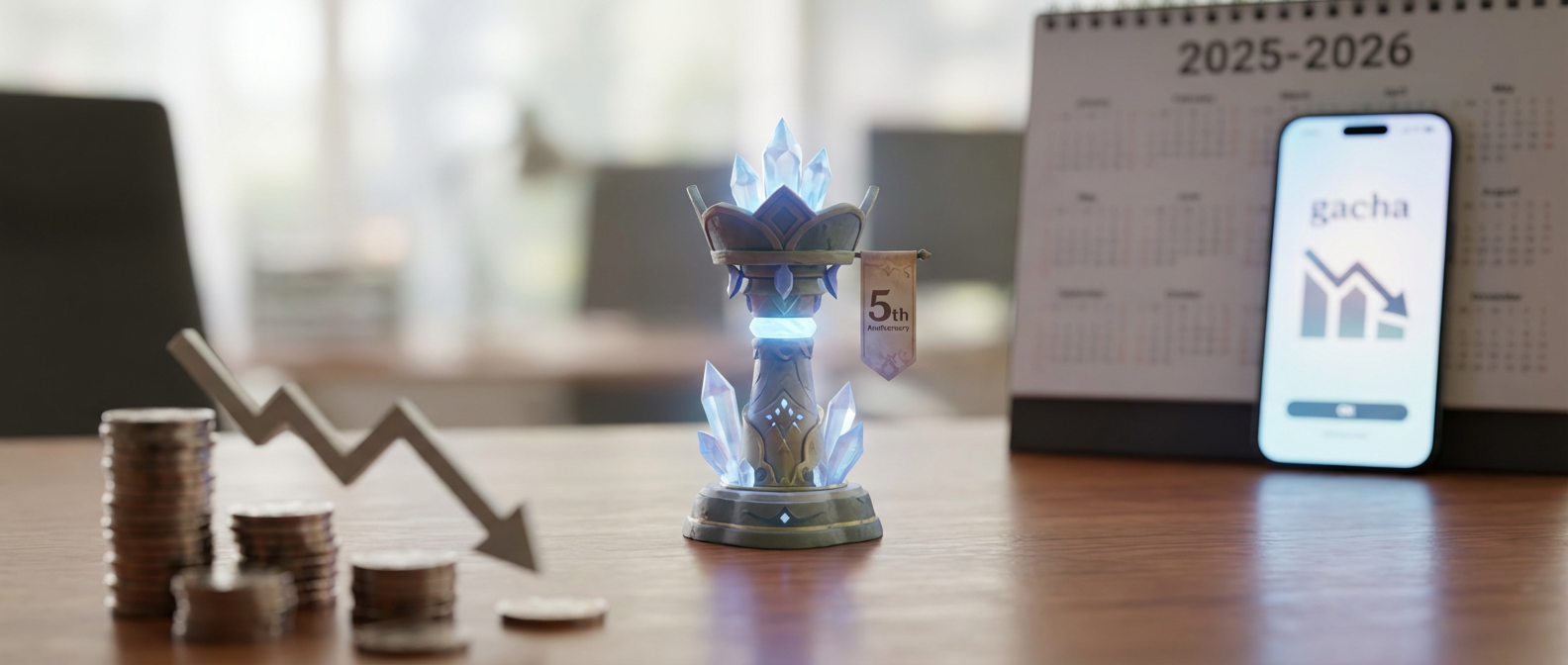
But before you start doom-posting in Discord about how “Genshin is dead,” let’s actually break down what happened. According to Sensor Tower Mobile Revenue Tracker, this decline happened gradually over years, not overnight. The game launched in 2020 with genuine novelty—console-quality open world on mobile? That was crazy at the time. By 2024-2025, though, the market got smarter. Players got smarter. And suddenly that $32 million monthly revenue started looking less like a tragedy and more like a wake-up call for the entire industry.
HoYoverse’s Own Game Just Ate Genshin’s Lunch for Six Months Straight
Here’s where it gets actually wild. Honkai: Star Rail, which launched in 2023, consistently outpaced Genshin Impact in monthly mobile revenue for six consecutive months through mid-2025. HoYoverse’s own internal competitor demolished the game that built their empire. This isn’t some upstart studio—this is the parent company literally saying through market action that Star Rail’s model works better right now.
Why? Star Rail nailed the pacing. It respects player time in ways Genshin sometimes doesn’t. The battle system is tighter. The story hits harder. And players felt like they could actually compete without dumping $500+ per banner cycle. Star Rail proved that gacha doesn’t need to drain bank accounts to be profitable. That’s genuinely new thinking in a market where whales have historically funded everything.
The Gacha Market Itself is Growing—Just Not How We Expected
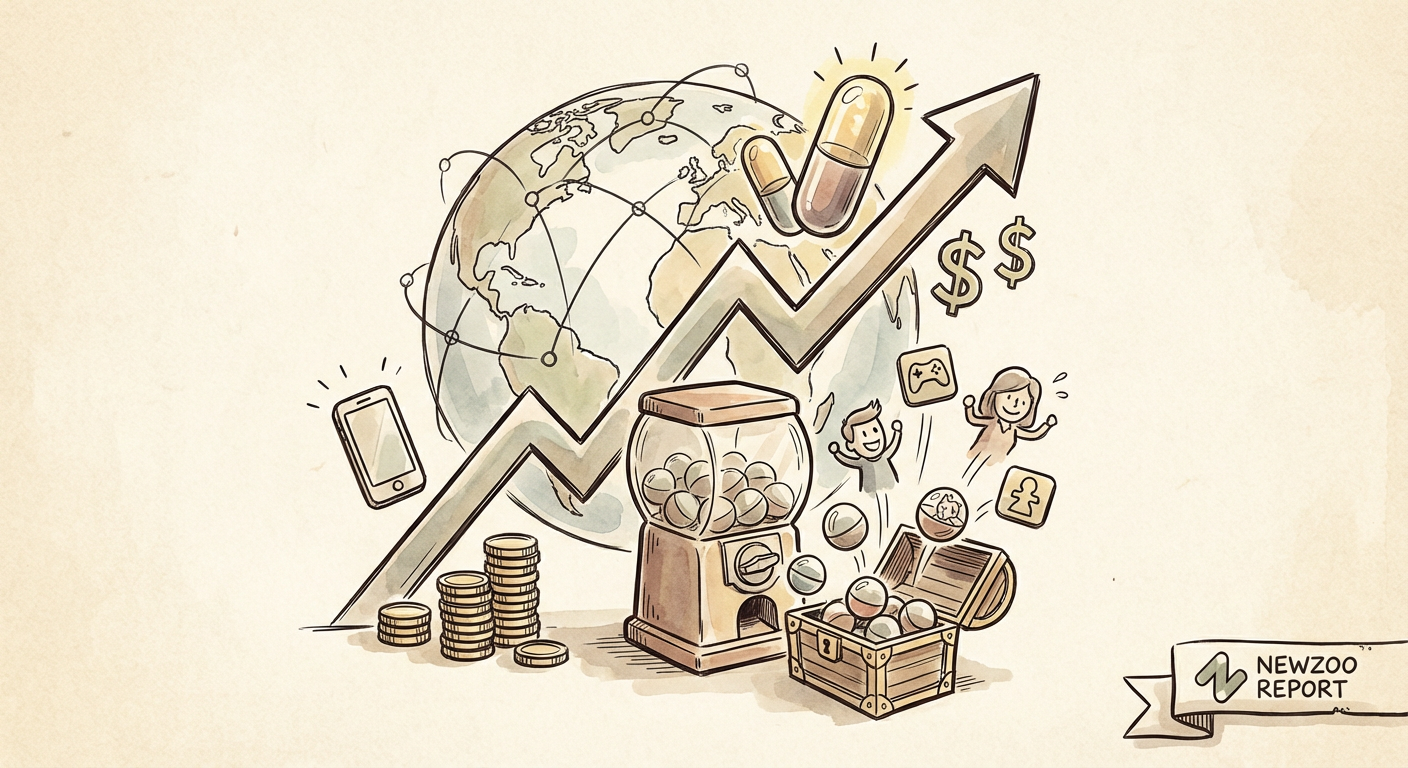
Don’t misread this moment. The gacha market globally was valued at $15.4 billion in 2024 and is projected to reach $18.9 billion by 2027, according to Newzoo Global Games Market Report 2025. The pie is getting bigger. Genshin’s slice is just smaller because the pie has way more competition.
What changed? Players now have legitimate alternatives. Star Rail. Final Fantasy VII Ever Crisis. Project Mugen. The gacha space used to be dominated by a handful of massive titles. Now you’ve got forty games competing for the same spending dollar. That’s actually healthy for the industry long-term, even if it hurts short-term revenue forecasts.
Regulation is Coming—And It’s Going to Change Everything
Here’s something that barely got mainstream coverage but absolutely matters. Japan’s Consumer Affairs Agency issued updated loot box disclosure guidelines in April 2025 requiring gacha games to display cumulative spending totals to players. Imagine getting a pop-up that says “You’ve spent $1,247 on this game in the last 90 days.” That hits different, right?
A 2025 study from the University of Waterloo found that roughly 23% of gacha spenders reported dropping more than $500 in a single game within a 90-day period. Nearly one in four players engaging in what most normal people would call extreme spending. When you make that number visible, when you put it right in someone’s face every time they pull, the psychology changes. People see themselves reflected in that number and make different choices.
This regulation is spreading. Other regions are watching Japan’s implementation closely. By 2026, we’re probably looking at similar disclosure requirements in South Korea, China, and potentially the EU. Games built on predatory spending patterns are going to take a serious revenue hit. Games designed to be genuinely fun with optional spending? Those hold up differently in a transparent market.
What This Actually Means for 2025-2026
The gacha market isn’t shrinking. It’s changing. We’re moving away from “extract maximum value from whales” toward “build sustainable games that people actually want to play long-term.” Genshin Impact’s revenue decline is basically the market saying it’s done paying for artificial scarcity and FOMO.
Expect more games to copy Star Rail’s approach. Expect mobile revenue to flatten or even dip industry-wide for a year or two as spending normalizes. Expect regulation to become a permanent fixture of gacha game design by 2027. The companies that adapt quickly, the ones that genuinely listen to their communities instead of just saying they do, will come out ahead.
Genshin Impact isn’t dying. It’s just not the only game in town anymore. And honestly? The gacha market needed this reality check. What do YOU think happens next? Have you noticed yourself playing differently across different gacha games, or are you sticking with one main title? Drop your thoughts below—I’m genuinely curious how this shift lands with people actually in the trenches.