
S-Tier: The Platform Wars That Actually Matter
Listen up, because this is where gaming drama reaches its absolute peak performance. We’re talking about controversies that fundamentally reshape how we play games, not just who gets to play them. Epic vs Apple sits comfortably at the top of this tier because it literally changed mobile gaming economics forever. This wasn’t some streamer beef or review bombing campaign. This was a legal heavyweight match that redefined platform relationships and developer revenue splits across the entire industry.
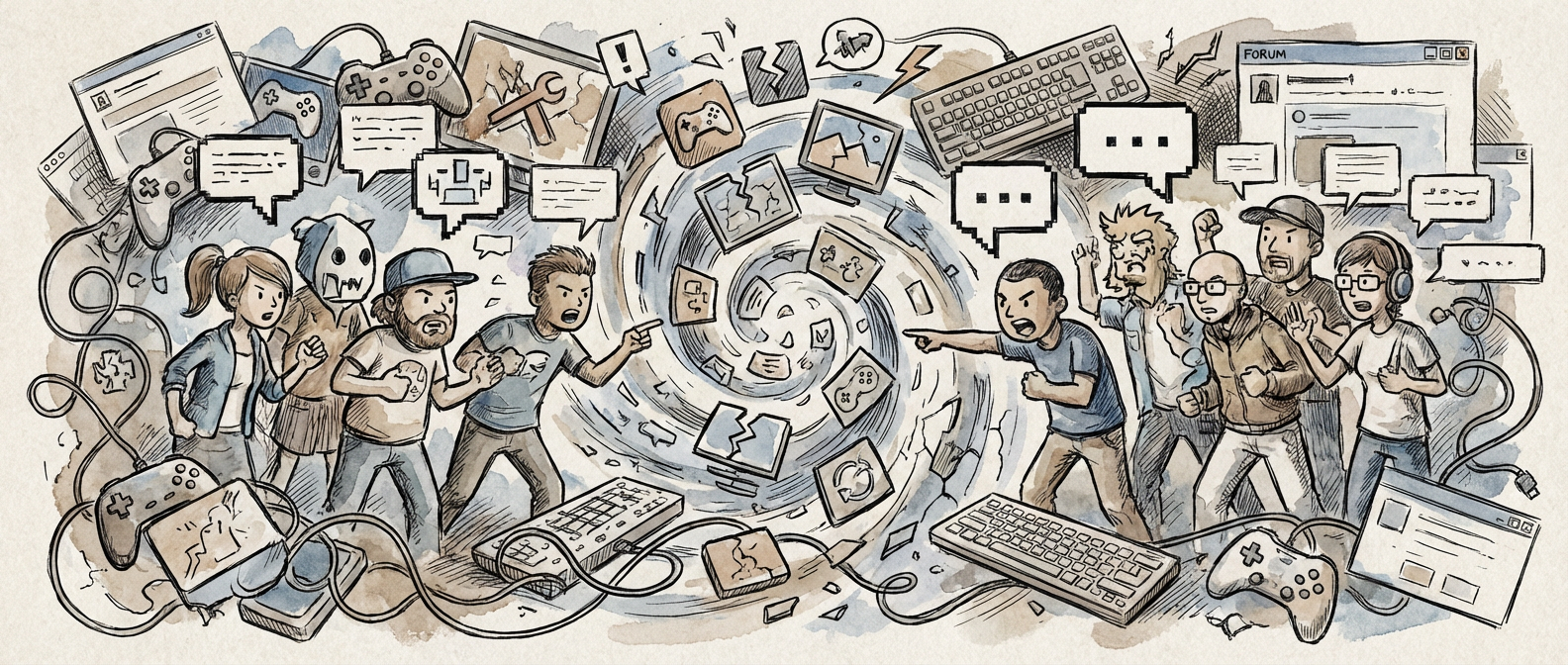
The Activision Blizzard acquisition drama also lands here, and before you start typing angry comments about corporate bootlicking, hear me out. This controversy hit every single layer of gaming culture simultaneously. Labor issues, creative freedom, platform exclusivity, and industry consolidation all rolled into one massive shitstorm. When your drama affects indie developers, AAA studios, console manufacturers, AND regulatory bodies across multiple countries, you’ve earned your spot in S-tier.
What separates S-tier drama from everything below is simple: lasting change. These controversies don’t fade after a news cycle. They create new policies, change business models, and establish precedents that ripple through gaming for years. You might not like the outcomes, but you cannot argue with the scope and consequences.

A-Tier: When Developers Actually Listen (Or Spectacularly Don’t)
The Battlefront II loot box catastrophe earned its A-tier ranking because it proved player outrage could force fundamental game design changes from a major publisher. EA didn’t just tweak some numbers or issue a corporate apology. They completely rebuilt their progression system and sparked legislative discussions about gambling mechanics in games worldwide. That Reddit comment becoming the most downvoted in platform history wasn’t just meme fuel, it was a watershed moment for player-developer relationships.
Cyberpunk 2077’s launch belongs here too, and not just because of the bugs. CD Projekt Red’s handling of console versions, their misleading marketing, and the review embargo drama created a perfect storm that changed industry practices around pre-launch coverage and platform-specific optimization standards. Sony pulling the game from PlayStation Store was unprecedented for a major AAA release.
No Man’s Sky rounds out this tier as the redemption story that proves developer commitment can overcome even the most disastrous launches. Hello Games didn’t just patch their game, they expanded it beyond their original promises over multiple years without charging extra. This drama taught the industry that post-launch support could transform public perception more effectively than any marketing campaign.
B-Tier: Streamer Drama That Transcended Twitch Chat
Here’s where personality-driven controversies earn their stripes by actually affecting game development or industry practices. The Ninja-Fortnite exclusivity deal drama sits firmly in B-tier because it established streaming platform competition as a legitimate factor in game marketing strategies. When streamers started commanding sports athlete money for platform exclusivity, that changed how developers think about influencer partnerships and community building.
The Pokimane controversy cycles deserve mention here, not because of the individual incidents, but because they consistently highlight the intersection of parasocial relationships, platform monetization, and gender dynamics in gaming spaces. These dramas repeatedly force conversations about creator responsibility, audience boundaries, and platform policies that extend far beyond any single streamer.
What keeps streamer drama from reaching A-tier is sustainability. Most personality conflicts burn bright and fade fast. They create temporary policy changes and short-term shifts in platform dynamics, but rarely establish lasting precedents that reshape the industry.
C-Tier: Review Bombs and Rating Wars
The Last of Us Part II review bombing campaign earns its C-tier placement by demonstrating both the power and limitations of coordinated user score manipulation. This controversy proved that passionate fan communities could significantly influence game perception and sales, but it also showed how platform holders could adapt their review systems to combat coordinated campaigns. The drama forced Steam, Metacritic, and other platforms to implement new review verification systems.
Epic Game Store exclusivity controversies cluster in this tier because while they generate massive community backlash, they rarely change the business decisions driving them. Metro Exodus, Borderlands 3, and countless other exclusivity announcements follow the same pattern: outrage, boycott threats, platform review bombing, then gradual acceptance as games eventually reach Steam anyway.
What defines C-tier drama is its cyclical nature and limited long-term consequences. These controversies feel massive while they’re happening, generate thousands of angry posts and videos, but ultimately result in minor policy adjustments rather than fundamental industry changes. They’re the ranked silver matches of gaming drama: intense in the moment, but quickly forgotten when the next controversy drops.
D-Tier: Twitter Beef and Forum Flame Wars
This is where 90% of daily gaming drama lives, and honestly, that’s exactly where it belongs. Individual developer tweets, gaming journalist hot takes, and random influencer beef might dominate your timeline for 48 hours, but they rarely create lasting change or meaningful discussion. These controversies are the digital equivalent of getting tilted in ranked: lots of emotional energy spent on situations that won’t matter by next week.
The constant cycle of outrage over game prices, DLC announcements, or minor balance changes sits here too. Yes, these topics matter to individual players and communities, but they don’t change industry practices or establish new precedents. They’re background noise in the larger conversation about gaming culture and business practices.
That doesn’t mean D-tier drama is worthless. Sometimes these smaller controversies combine or escalate into higher-tier situations. They work as early warning systems for larger industry issues and help gauge community sentiment on emerging topics. Think of them as the laning phase of gaming controversy: necessary for setting up bigger plays, but rarely game-changing on their own.
So there’s my definitive ranking of gaming drama, and yes, I’m absolutely ready to defend every placement in the comments below. What controversies did I miss? Where do you think I got the tiers completely wrong? Drop your own tier lists and let’s settle this like civilized gamers: with passionate arguments backed by oddly specific examples and way too much investment in being right about internet drama.