
September 2025 Was a Huge Turning Point (And You Might Have Missed It)
Okay so this happened back in September and honestly the gaming community is still catching up to what it actually means. The FTC finalized brand new rules about gacha mechanics and loot boxes that basically say “hey, if you want US players, you’ve gotta show them EXACTLY what their odds are.” Not percentages rounded up. Not vague language. The actual numbers. Every single time.
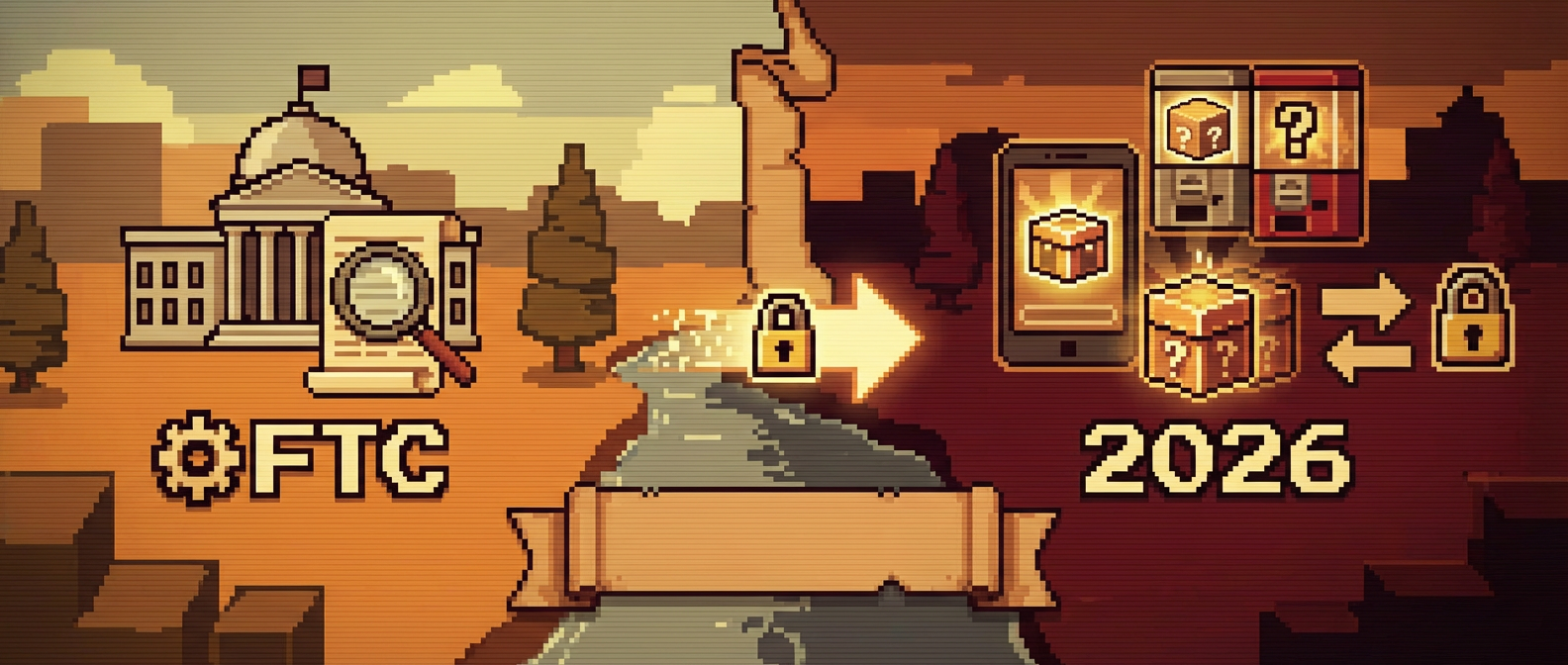
This isn’t some gentle suggestion either. Publishers have to display exact pull probability percentages on every storefront that serves US users. That means in-game shops, web pages, third-party platforms, literally everywhere. And when the industry realized this wasn’t getting walked back, things moved FAST.
Japan Was Already Doing This, But America’s Rules Changed the Game
Here’s the thing that blew my mind when I dug into this. Japan’s Consumer Affairs Agency has been requiring gacha probability disclosures since 2012. That’s thirteen years of publishers knowing this was coming in other markets. But nobody really expected the US to actually enforce it with teeth. Japan made it the standard, sure, but companies could kind of… work around it for Western audiences.
The FTC’s update is different because it extends requirements way beyond just in-game shops. Web storefronts now need this. Third-party platforms need this. You can’t hide the odds behind a help page that nobody reads anymore. Apple and Google even stepped in during late 2025 and updated their App Store policies to require probability displays RIGHT THERE in the purchase flow itself. Not linked somewhere. Actually visible when you’re about to spend money.
HoYoverse Moved Fast (And That Told Us Everything)
When HoYoverse updated Genshin Impact’s probability disclosure pages within 30 days of the FTC ruling, the community immediately knew this was real. HoYoverse doesn’t move that fast on anything. But they looked at the US market, they looked at their revenue numbers, and they basically said “we’re complying with this immediately.” That was the signal that every other publisher watched.
And honestly? That’s when things got interesting for players. Because once the biggest gacha game in the world showed its actual pull rates in clean, readable format, suddenly players had ACTUAL DATA to work with. No more speculation. No more “I swear the rates are worse for five stars.” You could see the real numbers. Some players got mad. Some got vindicated. And the whole community started having a completely different conversation about spending.
This Is About A Market Worth Billions, So Yeah It Matters
According to Newzoo Global Games Market Report, the gacha and loot box market was worth $15 billion globally in 2024. North America alone accounted for roughly $2.4 billion of that. That’s massive. That’s the kind of money that makes publishers fight hard against regulation. But that’s also why this matters.
When you’re dealing with a market that size, transparency isn’t optional anymore. The FTC basically said transparency is how you keep operating in the US, and the industry had to adapt. Check out the FTC Gaming and Loot Box Policy Updates if you want to see the actual framework, but the bottom line is this: publishers chose to change their practices rather than get into legal fights with the FTC.
What Actually Changed For Players In 2026
Now we’re into early 2026 and the ripple effects are still rolling out. Some games added better currency conversion tools so you can actually do the math on exactly how much money you’re spending. Some completely restructured their battle passes and monthly systems because suddenly that transparency hit different. And some… well, some games got quieter about certain mechanics because the odds didn’t look great once people could actually see them.
The biggest shift is probably psychological though. When players can see “okay this character is a 0.6% chance on this banner,” the entire conversation changes. You’re not wondering if you’re getting unlucky. You KNOW the odds. You can make actual informed decisions instead of feeling like maybe you’re just bad at RNG. That’s genuinely player-friendly regulation that works.
The mobile gaming landscape is different now. Publishers had to adapt faster than they probably wanted to. But here’s what I’m genuinely hyped about: the community knows more about what they’re spending on than ever before. You’ve got the data. You’ve got the transparency. What you do with that information is up to you, but at least you’ve got it.
What’s your take on all this? Have you noticed the changes in games you’re playing? Are you making different spending decisions now that you can actually see the odds? Drop your thoughts below because I’m genuinely curious how this is landing with people actually playing these games.